
At 10 weeks pregnant, your baby is about the size of a prune or small apricot, and is developing distinct human features like fingers, toes, and a face. You may experience continued pregnancy symptoms like fatigue, mood swings, and nausea, while your body shows changes such as a growing uterus and more prominent veins. It is important to listen to your body, and your baby’s vital organs are now fully formed and beginning to function, but they will continue to mature throughout the rest of the pregnancy.
Congratulations! You’ve reached the 10-week mark—a significant milestone that often marks the end of the first trimester’s most challenging weeks. If you’re wondering what to expect at 10 weeks pregnant, you’ve come to the right place. This stage is filled with rapid development for your baby and noticeable changes for you.
This guide blends verified KKM recommendations, symptom management tips, baby development facts, and practical steps for Malaysian mothers. You’ll also learn when to book your ultrasound and how tools like Sonobee Ultrasound and the Flabee Care App make your antenatal care easier.
What Does It Mean to Be 10 Weeks Pregnant?
Reaching 10 weeks pregnant means you are approximately two months and two weeks along, with about 30 weeks to go until you meet your little one. You are nearing the end of the first trimester, a period characterized by foundational growth and significant hormonal shifts.
At this stage, the most critical structures of your baby’s body have formed and are now beginning to mature and function. For many women, this week can bring a slight shift in symptoms, though the experience varies greatly from person to person. It’s also a time when many parents-to-be start to feel the reality of pregnancy sink in, especially if they’ve had an early ultrasound.

How Big Is Your Baby at 10 Weeks? A Remarkable Little Being
At 10 weeks of gestation, your baby is now classified as a fetus rather than an embryo. At this stage, the fetus is approximately the size of a strawberry or a kumquat. The average crown-to-rump length (CRL) measures about 31–36 mm (3.1–3.6 cm).
The estimated fetal weight at 10 weeks is approximately 4 grams (0.14 ounces).
These measurements are consistent with established first-trimester fetal biometry standards, including the Hadlock CRL reference charts and INTERGROWTH-21st fetal growth standards, and are interpreted in accordance with ISUOG ultrasound practice guidelines, which recommend CRL as the most accurate parameter for gestational age assessment in early pregnancy.
At this stage, growth is characterized by:
Rapid increase in CRL
Completion of major organ formation
Transition from embryonic development to fetal maturation
But size isn’t the whole story. By week 10, your baby is incredibly active, even if you can’t feel it yet. They are constantly moving, kicking their tiny legs, and even swallowing! Vital organs like the kidneys, intestines, brain, and liver are starting to function. Fingernails, hair follicles, and tiny teeth buds are also forming. Perhaps the most exciting development is that their embryonic tail has completely disappeared.
When Does an Embryo Become a Fetus? A Major Milestone
This week answers a fundamental question: When does an embryo become a fetus?
The official transition from embryo to fetus happens at the end of the 10th week of pregnancy (or at the 8-week mark from conception). This isn’t just a change in name; it signifies a monumental shift in development. The embryonic period was all about forming the basic building blocks of every major organ and system. Now, as a fetus, your baby’s job is to grow, mature, and refine those systems. It’s a huge step toward a healthy, viable pregnancy.

What to Expect at 10 Weeks Pregnant: Your Body and Your Life
Knowing what to expect at 10 weeks pregnant can help you feel more prepared and less anxious. Here’s a look at the common physical and emotional changes.
Wondering “what should I feel at 10 weeks pregnant?” While every pregnancy is unique, here are some common 10 weeks pregnant symptoms you might experience:
Common Symptoms: What Should You Feel at 10 Weeks Pregnant?
- Peak Morning Sickness: Nausea and vomiting often peak around this time due to high levels of the pregnancy hormone hCG. Remember, “morning” sickness can strike at any time of day.
- Overwhelming Fatigue: Your body is working hard to create a placenta and support a growing baby, which can leave you feeling utterly exhausted.
- Frequent Urination: Your growing uterus is putting more pressure on your bladder, leading to more trips to the bathroom.
- Food Aversions and Cravings: You might suddenly despise the smell of coffee or crave pickles and ice cream. Blame those hormones again!
- Mood Swings: Fluctuating hormones can make you feel elated one moment and tearful the next. Be gentle with yourself.
- Breast Changes: Your breasts may feel tender, sore, and larger as they prepare for future milk production.
- A Visible Bloated Belly: While a distinct baby bump might still be a few weeks away, bloating is very common, making your waistband feel tighter.
Is Spotting at 10 Weeks Pregnant Normal?
This is a common and worrying question for many. So, is spotting at 10 weeks pregnant normal?
Light spotting (a few drops of pink or brown blood) can be normal and is often caused by:
- Implantation bleeding (if it’s late for you).
- Increased blood flow to the cervix, making it more sensitive.
- A cervical polyp being irritated.
- Hormonal changes.
However, you should always contact your healthcare provider immediately if you experience any bleeding. While it can be harmless, it’s essential to rule out more serious causes like miscarriage or an ectopic pregnancy. Always err on the side of caution.
Can I Feel a Baby at 10 Weeks?
It’s a beautiful thought, but can I feel a baby at 10 weeks?
The short answer is no. While your baby is moving like a little gymnast in your uterus, they are still far too small and cushioned by amniotic fluid for you to feel their movements. Most first-time moms don’t feel those first fluttering sensations (known as “quickening”) until between 16 and 25 weeks. If you’re feeling twinges or flutches now, it’s more likely to be gas or intestinal activity.

What to Do When You Find Out You’re Pregnant
Discovering you’re pregnant is a profound and life-changing moment. It often brings a mix of excitement, joy, and questions about what comes next. Taking the right steps early in your pregnancy is essential for your health and your baby’s development. This practical guide, aligned with Malaysian antenatal care guidelines, will walk you through the key actions to take after a positive pregnancy test.
- Confirm Your Pregnancy with a Test and Professional Check-Up
If you suspect you might be pregnant, start with a home pregnancy test. For the most accurate result, use your first-morning urine. A positive test should be followed by a visit to a healthcare provider in Malaysia, such as a doctor or a clinic, for official confirmation through a blood test or clinical assessment. Early confirmation allows you to begin prenatal care in Malaysia as soon as possible, which is crucial for monitoring well-being from the start.
- Schedule Your First Antenatal Appointment Early
Once pregnancy is confirmed, promptly book your first antenatal appointment. The Ministry of Health Malaysia (KKM) strongly recommends registering for antenatal care before 12 weeks of pregnancy. Early booking is a key part of maternal health in Malaysia and provides access to essential early screenings and guidance.
During your first visit, your doctor or midwife will likely:
- Calculate your estimated due date and gestational age.
- Conduct initial pregnancy screenings (e.g., blood tests, urine tests, ultrasound).
- Offer tailored advice on pregnancy nutrition, supplements, and lifestyle.
For healthy pregnancies, KKM guidelines recommend around 10 antenatal visits for first-time mothers (primigravida) and 7 visits for experienced mothers (multigravida). Regular check-ups are proven to improve outcomes for both mother and baby.
- Start Prenatal Nutrition & Essential Supplements
Proper nutrition during pregnancy is vital. Malaysian antenatal care guidelines emphasise early nutritional support for healthy fetal growth. Begin taking a prenatal vitamin, particularly one containing folic acid, as soon as possible to help prevent neural tube defects.
Aim for a balanced diet rich in vegetables, fruits, proteins, and fluids. Avoid high-risk foods like unpasteurised dairy and raw meats. Always follow specific dietary advice from your healthcare provider in Malaysia.
- Adjust Your Lifestyle for a Healthy Pregnancy
Adopting a healthier lifestyle is one of the most important early pregnancy steps. Key recommendations include:
- Completely avoiding alcohol, smoking, and recreational drugs.
- Limiting caffeine intake.
- Following safe food practices as advised.
- Engaging in pregnancy-safe physical activity.
If you have a pre-existing medical condition, discuss it with your doctor at your first visit. KKM’s Pre-Pregnancy Care guidelines highlight the importance of managing health risks early for the best outcomes.
- Educate Yourself on Pregnancy & Antenatal Care in Malaysia
Understanding what to expect can ease anxiety. Familiarise yourself with reputable pregnancy resources and the standard prenatal care schedule in Malaysia. KKM’s maternal health services provide structured support from early pregnancy through to postnatal care, including screenings, fetal monitoring, immunisations, and delivery planning.
- Decide When to Share Your Pregnancy News
Choosing when to announce your pregnancy is personal. Many wait until after the first trimester, when the risk of miscarriage decreases. Discuss with your partner and make a decision that feels right for you, using support and information from your antenatal care team.
Finding out you’re pregnant begins an incredible journey. By confirming your pregnancy early, booking timely antenatal care in Malaysia, focusing on prenatal nutrition, adjusting your lifestyle, and using trusted KKM guidelines, you lay a strong foundation for a safe and healthy pregnancy.
Remember, every pregnancy is unique. For personalised advice and care, always consult a qualified healthcare professional in Malaysia.
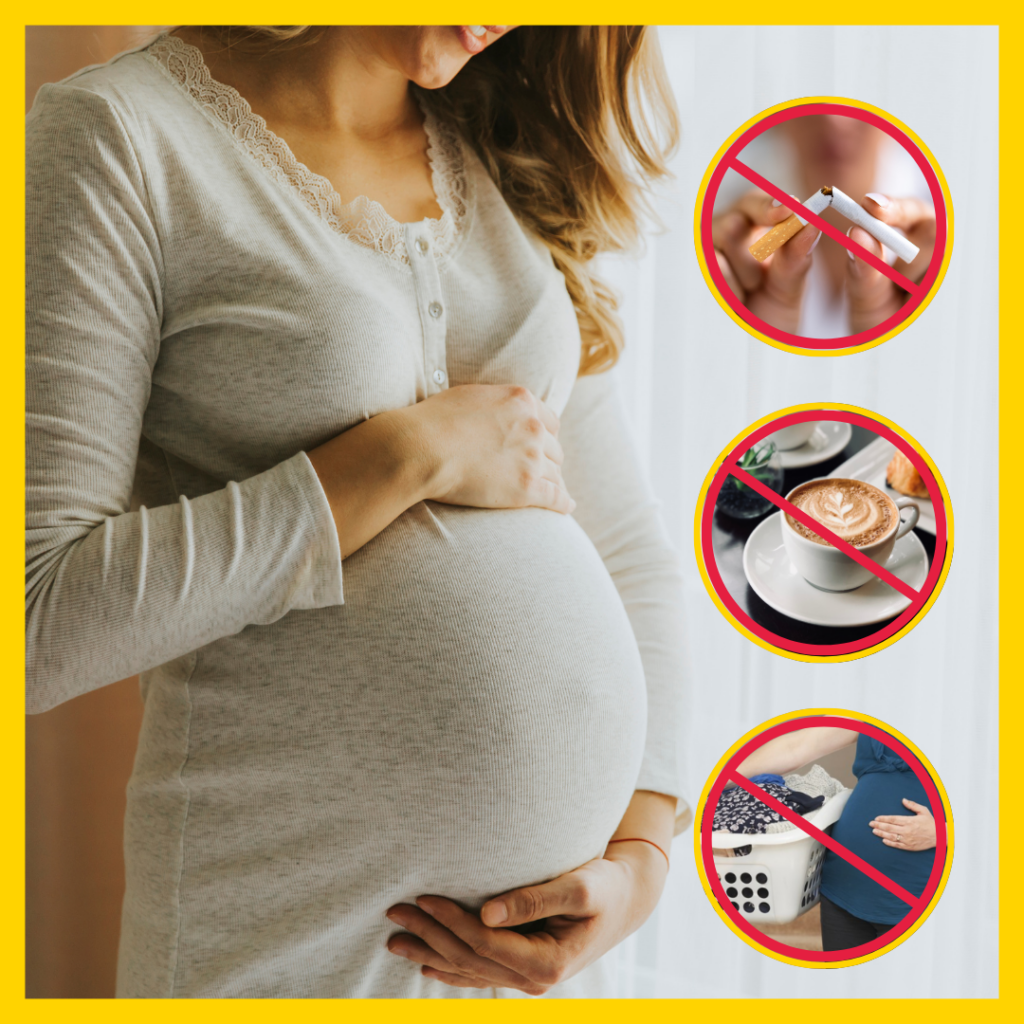
What to Avoid at 10 Weeks Pregnant: Protecting Your Growing Baby
Equally important is knowing what to avoid at 10 weeks pregnant. The first trimester is a critical period for organ development, so it’s vital to steer clear of potential hazards.
- Alcohol, Smoking, and Recreational Drugs: There is no known safe amount of alcohol during pregnancy. Smoking and drug use are linked to serious complications.
- Certain Foods: Avoid unpasteurized dairy, deli meats, raw seafood, and high-mercury fish to prevent exposure to bacteria and toxins.
- Excessive Caffeine: Limit your caffeine intake to less than 200 mg per day (about one 12-ounce cup of coffee).
- Hot Tubs and Saunas: Raising your core body temperature significantly can be harmful to the developing baby.
- Certain Medications and Supplements: Always consult your doctor before taking any over-the-counter medications, herbs, or supplements.
- Heavy Lifting and Strenuous Exercise: While moderate exercise is encouraged, avoid activities with a high risk of falling or abdominal injury.
Reaching 10 weeks is a fantastic achievement. You are on the cusp of entering the second trimester, which many describe as the “honeymoon period” of pregnancy, often bringing renewed energy and a reduction in nausea. Keep communicating with your healthcare provider, listen to your body, and take it one day at a time. You’ve got this!
Supporting Your First Trimester with Digital Pregnancy Care
To complement regular antenatal visits recommended by Kementerian Kesihatan Malaysia (KKM), using reliable pregnancy tools can help you stay organised, informed, and confident throughout weeks 1–13.
Track Your Pregnancy Progress with Flabee Care
Keeping track of daily symptoms, baby movements, and personal notes is encouraged as part of pregnancy self-monitoring. With the Flabee Care app, expectant mothers can:
- Record daily baby movements (kick counts)
- Log symptoms, appointments, and reminders
- Keep personal pregnancy notes to share during antenatal visits
This simple habit helps mothers recognise what feels normal for their baby and supports more meaningful discussions with healthcare providers.
Book Your Recommended Scans with Sonobee Ultrasound
As advised under KKM antenatal care guidelines, ultrasounds play an important role in monitoring your baby’s growth and well-being during pregnancy. Through Sonobee Ultrasound, you can:
- Schedule recommended pregnancy scans conveniently
- Choose suitable appointment times
- Receive professional imaging support throughout your pregnancy
Early booking helps ensure timely assessments, especially as you approach the later weeks of pregnancy.
 Book your scan with Sonobee Utrasound to gain clearer insights into your baby’s development.
 Book Your Early Pregnancy Scan With Sonobee
Take the next step towards confident pregnancy care.
 Check your baby’s heartbeat Meet certified sonographers Comfortable & mother-friendly experience
Frequently Asked Questions (FAQ)
1. Is it normal to have no symptoms at 10 weeks?
Yes! Every pregnancy is different. Some women have severe symptoms, while others have very few. The absence of symptoms does not necessarily mean anything is wrong, but always mention it to your doctor for peace of mind.
2. Can you hear the baby's heartbeat at 10 weeks?
It’s possible to hear it with a Doppler ultrasound at a prenatal appointment, but it’s not always guaranteed this early. Don’t panic if your provider can’t find it yet; your baby is still very small and may be hiding.
3. Should I be showing at 10 weeks?
For most first-time moms, a true baby bump isn’t visible yet. What appears to be a bump is usually bloating. Women who have been pregnant before may start showing slightly earlier.
4. Is it safe to travel at 10 weeks pregnant?
Generally, yes, but it’s best to discuss your travel plans with your doctor. The first trimester can be tough with fatigue and nausea, so plan accordingly.
5. What does a 10-week ultrasound show?
An ultrasound will show a clearly recognizable baby! You’ll see a large head, arm and leg buds, and you might even see them wiggling. The technician will measure the baby to ensure growth is on track.
6. Why am I so emotional?
Your hormones, particularly estrogen and progesterone, are on a rollercoaster, directly impacting the brain chemicals that regulate mood. This is completely normal.
7. Can I dye my hair at 10 weeks pregnant?
Most research suggests that the chemicals in hair dye are not highly toxic and are safe to use during pregnancy. However, many women choose to wait until after the first trimester or opt for highlights that don’t touch the scalp.
8. When should I announce my pregnancy?
This is a deeply personal decision. Some couples tell family and close friends early, while others wait until after the first trimester (around 12-13 weeks) when the risk of miscarriage decreases significantly.
9. Is cramping normal at 10 weeks?
Mild, period-like cramping is very normal as your uterus expands. However, severe, sharp, or persistent cramping, especially when accompanied by bleeding, warrants an immediate call to your doctor.
10. What if I can't eat a healthy diet because of nausea?
Do the best you can. Focus on eating whatever you can keep down, even if it’s plain crackers, toast, or fruit. Your prenatal vitamin will help fill the nutritional gaps. This phase will likely pass soon.
Disclaimer: This article is for informational purposes only and does not constitute medical advice. Always consult with a qualified healthcare professional for any questions or concerns you may have regarding your pregnancy or health.
References & Resources
Ultrasound | Estimating Fetal Age Computer Assisted Analysis Of Multiple Fetal Growth Parameters1
Intergrowth-21st | Fetal Size Standards
ISUOG Practice Guidelines: Ultrasound Assessment of Fetal Biometry and Growth
Garis Panduan | Senarai Semak Bagi Penjagaan Kesihatan Ibu Mengikut Sistem Kod Warna