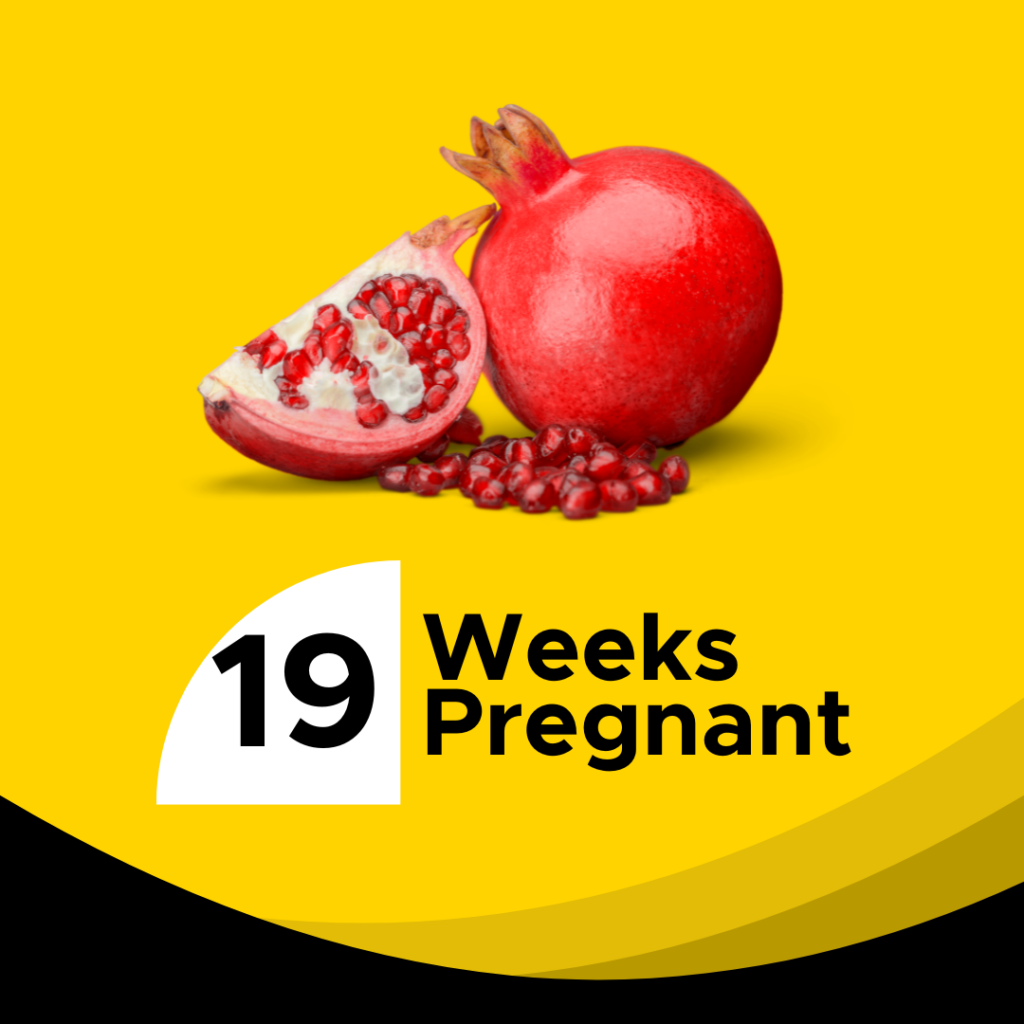
Welcome to 19 weeks pregnant! You are now at a thrilling stage of rapid development. Your baby is growing to about the size of a grapefruit or mango and is covered in a protective waxy coating called vernix. For you, this milestone can bring a mix of exciting new sensations and physical changes, from the magical feeling of your baby’s first movements (known as quickening) to common symptoms like pelvic pain and backaches.
This guide blends verified KKM recommendations, symptom management tips, baby development facts, and practical steps for Malaysian mothers. You’ll also learn when to book your ultrasound and how tools like Sonobee Ultrasound and the Flabee Care App make your antenatal care easier.
What is 19 Weeks Pregnant?
At 19 weeks pregnant, you are approximately four months and one week into your pregnancy journey. You are in the second trimester, which spans from week 14 to week 27. This is a period known for increased energy, a visible baby bump, and the potential to feel your baby’s first movements—a momentous occasion known as “quickening.”
Reaching this midpoint is a significant psychological and physical milestone. The early pregnancy symptoms like nausea often subside, making way for a new set of experiences as your body accommodates your growing baby.

How Big is Your Baby at 19 Weeks?
At 19 weeks of gestation, the fetus is approximately the size of a mango or a large tomato. The average crown-to-rump length (CRL) measures about 150–160 mm (15–16 cm), with an estimated fetal weight of approximately 220–260 grams (about 7.8–9.2 ounces).
These measurements are consistent with established fetal growth references, including the Hadlock fetal biometry charts and the INTERGROWTH-21st Project international fetal growth standards, and are interpreted in accordance with ultrasound practice recommendations from the International Society of Ultrasound in Obstetrics and Gynecology (ISUOG).
Developmental Correlation
At 19 weeks, important fetal developmental and sonographic features include:
Skin protection (Vernix caseosa)
A protective white, waxy coating begins forming on the fetal skin to reduce fluid exposure and support skin maturation.
Lanugo hair growth
Fine hair covers the body, helping regulate temperature and supporting vernix adherence.
Neurological and sensory development
Rapid brain maturation with specialization of sensory regions responsible for hearing, vision, touch, taste, and smell.
Active fetal movement
Coordinated movements such as kicking, stretching, rolling, and swallowing are commonly observed.
Some mothers, especially in subsequent pregnancies, may begin to perceive fetal movements (quickening).
What to Expect at 19 Weeks Pregnant: Symptoms & Body Changes
Your body is working hard to support your growing baby, leading to some characteristic 19 weeks pregnant symptoms.
- A Growing, Showing Bump:Your uterus is now just below your navel, and your pregnancy is becoming unmistakable.
- Baby Flutters (Quickening):One of the most exciting milestones! You may feel subtle flutters, pops, or bubbles low in your abdomen. If you haven’t felt anything yet, don’t worry—many first-time moms feel movement closer to 20-25 weeks.
- Skin Changes:You might notice a dark line (Linea Nigra) running down your abdomen and darker areolas. The “pregnancy glow” is real, thanks to increased blood flow and oil glands.
- Aches and Pains:As your uterus expands, it stretches the supporting ligaments, leading to sharp, round ligament pain on one or both sides of your lower abdomen. Mild lower back pain is also common.
- Dizziness:Your cardiovascular system is adapting, and blood pressure can dip, leading to occasional dizziness. Remember to rise slowly from sitting or lying down.
- Increased Appetite:With morning sickness often in the rearview mirror, you might find yourself surprisingly hungry. Focus on nutrient-dense foods to fuel you and your baby.
Can Baby Gender Be Seen at 19 Weeks?
Yes, in most cases, the baby’s gender can often be seen at 19 weeks.
This week falls within the common window for the mid-pregnancy anatomy scan (typically performed between 18 and 22 weeks). This detailed ultrasound examines all of your baby’s major organs and systems. If your baby is in a favourable position—not too curled up or modest with their legs crossed—the sonographer can usually identify the genitalia.
Whether you’re team green (waiting for the birth) or eagerly planning a gender reveal, the anatomy scan is a pivotal appointment for checking on your baby’s health and development.

Is the Best Scan Done When the Pregnancy Reaches 19 Weeks?
The scan performed around 19 weeks is one of the most important and detailed scans in your pregnancy, known as the anatomy scan or anomaly scan.
While “best” is subjective, it is certainly the most comprehensive scan for fetal development. Its primary purpose is not gender determination but a thorough check of your baby’s well-being. The sonographer will meticulously examine:
- Brain, heart, spine, and stomach
- Kidneys, limbs, hands, and feet
- The placenta’s position and amniotic fluid levels
So, while you had earlier dating scans, the 19-week anatomy scan provides an unparalleled look at your baby’s growth and rules out most major structural abnormalities.
Can I Feel My Baby at 19 Weeks?
Yes, you can! Feeling your baby move at 19 weeks is a common and thrilling experience, especially if this is your second or subsequent pregnancy. These first movements are known as quickening and are often described as:
- Flutters or butterflies
- Gas bubbles or pops
- A light tapping or swirling sensation
It’s important to know that it’s also perfectly normal not to feel consistent movement yet, particularly for first-time moms. Anterior placenta (where the placenta is attached to the front wall of the uterus) can cushion the movements, making them less noticeable for a few more weeks. If you’re concerned about a lack of movement, always consult your healthcare provider for reassurance.
To better understand your baby’s activity pattern, you can record daily kick movements using the Flabee Care app’s Daily Note feature. Keeping a simple movement log helps you become familiar with what feels normal for your baby and provides useful information to discuss during antenatal visits.
What Are Good Signs at 19 Weeks Pregnant?
Wondering if everything is on track? Here are some positive signs of a healthy pregnancy at 19 weeks:
- A Growing Bump:Steady growth is a great indicator that your baby is developing well.
- Feeling Fetal Movements:Even if they are subtle and infrequent, feeling your baby move is a wonderful sign of their activity and health.
- Appropriate Weight Gain:Gaining weight within the recommended guidelines shows you’re nourishing your body and baby correctly.
- Absence of Severe Symptoms:The lack of severe pain, heavy bleeding, or constant severe headaches is a positive sign.
- General Well-being:Having energy, a healthy appetite, and feeling emotionally stable are all excellent indicators.

Second Trimester of Pregnancy : Your Complete KKM-Compliant Guide
The second trimester is widely regarded as the most enjoyable and comfortable phase of pregnancy. As early symptoms like nausea typically subside, many expectant mothers experience renewed energy and well-being. This guide, developed in alignment with the Ministry of Health Malaysia’s (KKM) Prenatal Care Guidelines and Perinatal Care Manual, provides a trusted action plan to support your health and your baby’s development during these crucial weeks.
Your Second Trimester Pregnancy Checklist: 6 Essential Steps
- Maintain Regular Prenatal Check-ups
Consistent monitoring is the cornerstone of a healthy pregnancy. KKM’s Perinatal Care Manual emphasizes the importance of scheduled visits to assess fetal growth, maternal health, and to screen for potential conditions. Use these appointments to discuss any new developments, from fetal movement to physical changes, with your healthcare provider.
- Discuss and Complete Recommended Screenings
This trimester often includes important prenatal screenings, such as the maternal serum screening (a blood test) and a detailed anomaly scan. These tests, as outlined in KKM’s guidelines, help monitor your baby’s development. Always consult your doctor to understand which screenings are recommended for your individual care plan.
- Transition to Comfortable Maternity Wear
As your abdomen expands, comfortable clothing becomes essential for ease of movement and circulation. Opt for loose, breathable fabrics and supportive maternity wear to accommodate your growing bump without restriction.
- Document Your Journey
Keeping a pregnancy journal or taking weekly bump photos is a wonderful way to create lasting memories. This personal record can also be a helpful reference for you and your healthcare provider when tracking physical changes and milestones.
- Prioritize Nutrient-Rich Nutrition
With your appetite returning, focus on a balanced diet that supports rapid fetal growth. Adhering to the principles of the Malaysian Dietary Guidelines (MDGM), ensure your meals are rich in:
- Iron: Supports increased blood volume and prevents anemia.
- Calcium: Essential for building your baby’s bones and teeth.
- Protein: Crucial for the growth of fetal tissue, including the brain.
- Fibre: Aids digestion and helps prevent common issues like constipation.
- Increase Your Fluid Intake
Staying well-hydrated is vital. Ample water intake supports the increase in your blood volume, aids in nutrient transport, helps maintain energy levels, and can prevent urinary tract infections.
Which Exercises Are Suitable for 19 Weeks Pregnant?
Staying active is highly beneficial for both physical and mental well-being. According to KKM’s Antenatal & Postnatal Exercise Manual, regular, moderate exercise can improve fitness, reduce stress, and prepare your body for labor.
Recommended Safe Exercises:
- Brisk Walking: A perfect low-impact cardiovascular exercise that is safe for all fitness levels.
- Swimming or Water Aerobics: The buoyancy of water supports your joints and growing belly, providing relief and a full-body workout.
- Prenatal Yoga or Pilates: Excellent for improving flexibility, core strength, and practicing breathing and relaxation techniques valuable for childbirth.
- Stationary Cycling: Provides a safe cardio workout without the risk of balance-related falls.
Key Safety Precautions:
- Avoid exercises that involve lying flat on your back for long periods after the first trimester, as this can restrict blood flow.
- Steer clear of contact sports, activities with a high risk of falling, or exercises that involve jumping or sudden directional changes.
- Always consult your doctor or a certified prenatal fitness instructor before starting any new exercise regimen.
- Listen to your body. Stop immediately and consult your healthcare provider if you experience dizziness, shortness of breath, chest pain, vaginal bleeding, or contractions.
What to Avoid at 19 Weeks Pregnant
Protecting your growing baby means being mindful of certain activities and substances:
- Avoid Alcohol, Smoking, and Recreational Drugs:These can cause severe harm to fetal development.
- Limit Caffeine:Stick to less than 200mg per day (about one 12-ounce cup of coffee).
- Skip High-Risk Foods:Avoid raw fish, unpasteurised dairy, and deli meats to prevent foodborne illnesses.
- Steer Clear of High-Heat:Avoid hot tubs, saunas, and very hot baths, which can raise your core body temperature to unsafe levels.
- Don’t Self-Medicate:Always check with your doctor or midwife before taking any over-the-counter or prescription medications.
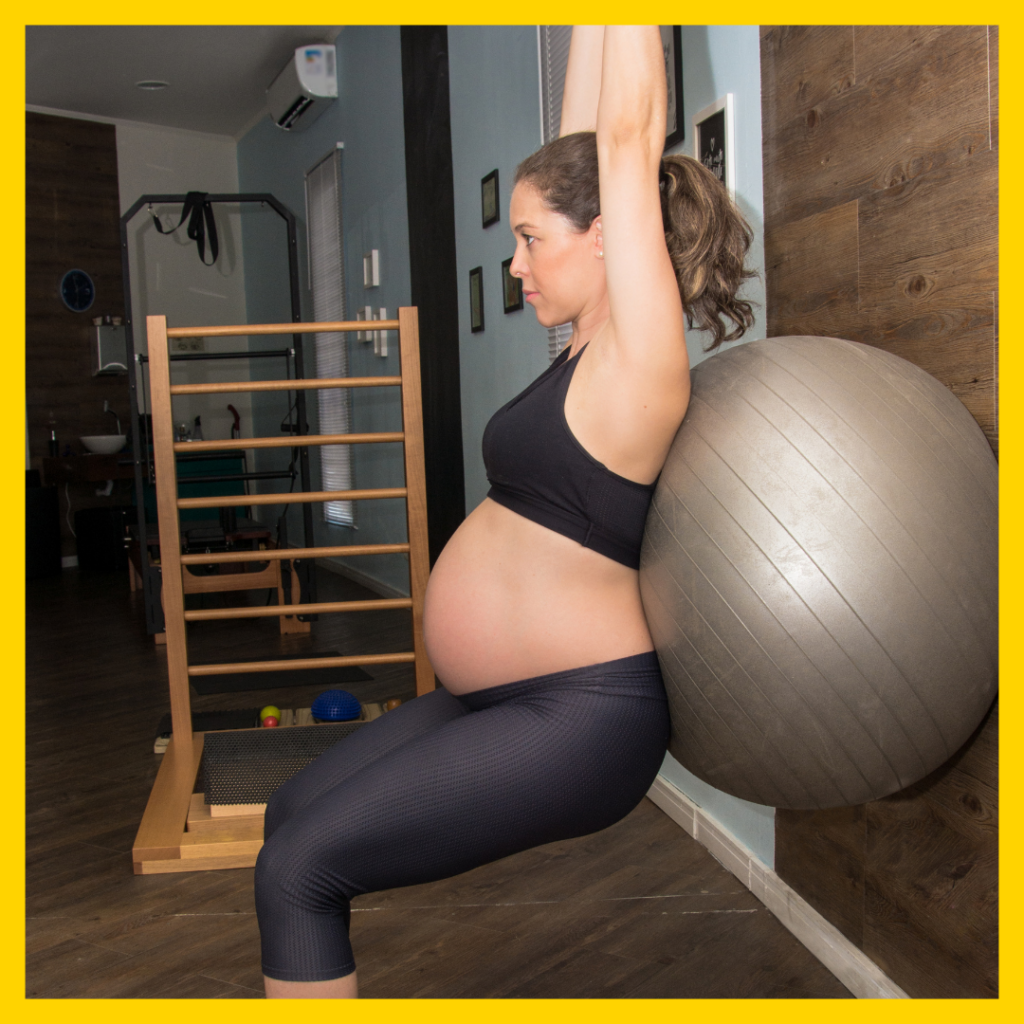
Reaching 19 weeks is a beautiful and dynamic time. Embrace the changes, celebrate the milestones, and remember to take care of yourself as you nurture the incredible life growing within you. Enjoy this special chapter.
Supporting Your Second Trimester with Digital Pregnancy Care
To complement regular antenatal visits recommended by Kementerian Kesihatan Malaysia (KKM), using reliable pregnancy tools can help you stay organised, informed, and confident throughout weeks 14– 26.
Track Your Pregnancy Progress with Flabee Care
Keeping track of daily symptoms, baby movements, and personal notes is encouraged as part of pregnancy self-monitoring. With the Flabee Care app, expectant mothers can:
- Record daily baby movements (kick counts)
- Log symptoms, appointments, and reminders
- Keep personal pregnancy notes to share during antenatal visits
This simple habit helps mothers recognise what feels normal for their baby and supports more meaningful discussions with healthcare providers.
Book Your Recommended Scans with Sonobee Ultrasound
As advised under KKM antenatal care guidelines, ultrasounds play an important role in monitoring your baby’s growth and well-being during pregnancy. Through Sonobee Ultrasound, you can:
- Schedule recommended pregnancy scans conveniently
- Choose suitable appointment times
- Receive professional imaging support throughout your pregnancy
Early booking helps ensure timely assessments, especially as you approach the later weeks of pregnancy.
 Book your scan with Sonobee Utrasound to gain clearer insights into your baby’s development.
 Book Your Early Pregnancy Scan With Sonobee
Take the next step towards confident pregnancy care.
 Check your baby’s heartbeat Meet certified sonographers Comfortable & mother-friendly experience
Frequently Asked Questions (FAQ)
1. Why haven't I felt my baby move at 19 weeks?
This is very common, especially for first-time moms. The placenta’s position (anterior) can act as a cushion. Most women feel consistent movements by 24-25 weeks.
2. Is it normal to have back pain at 19 weeks?
Yes, it’s very normal. Your growing uterus shifts your centre of gravity and loosens ligaments. Good posture, supportive shoes, and prenatal yoga can help.
3. How much weight should I have gained by 19 weeks?
This varies, but a general guideline is 8-14 pounds (3.5-6.5 kg) for women with a normal pre-pregnancy BMI. Your doctor can give you personalized advice.
4. Can I still sleep on my stomach?
As your bump grows, this will become uncomfortable and is not recommended. The ideal sleep position is on your side, preferably the left, to optimize blood flow.
5. What if my anatomy scan finds something wrong?
Remember, the scan is a screening tool. If a potential issue is spotted, you will be referred to a specialist for further testing and counselling. Try not to panic; many findings turn out to be minor.
6. Are mood swings normal in the second trimester?
Absolutely. Hormonal fluctuations, coupled with the physical and emotional changes of pregnancy, can still cause mood swings even in the “easy” trimester.
7. Why am I so forgetful?
“Pregnancy brain” is a real phenomenon, likely due to hormonal changes, sleep disruption, and the mental load of preparing for a baby.
8. Is it safe to travel at 19 weeks?
The second trimester is often considered the safest and most comfortable time for travel. Always consult your doctor, stay hydrated, and take frequent breaks to move around.
9. What does round ligament pain feel like?
It’s often a sharp, stabbing pain or a dull ache in your lower abdomen or groin, typically on one side. It’s usually triggered by sudden movements.
10. When should I call my doctor?
Contact your healthcare provider immediately for severe abdominal pain, vaginal bleeding, a gush of fluid, a significant decrease in fetal movement after you’ve felt it regularly, or a high fever.
Disclaimer: This article is for informational purposes only and does not constitute medical advice. Always consult with a qualified healthcare professional for any personal health concerns or before making any decisions related to your pregnancy.
References & Resources
Ultrasound | Estimating Fetal Age Computer Assisted Analysis Of Multiple Fetal Growth Parameters1
Intergrowth-21st | Fetal Size Standards
ISUOG Practice Guidelines: Ultrasound Assessment of Fetal Biometry and Growth
Perinatal Care Manual 4th Edition