Conception, Implantation, and Early Signs
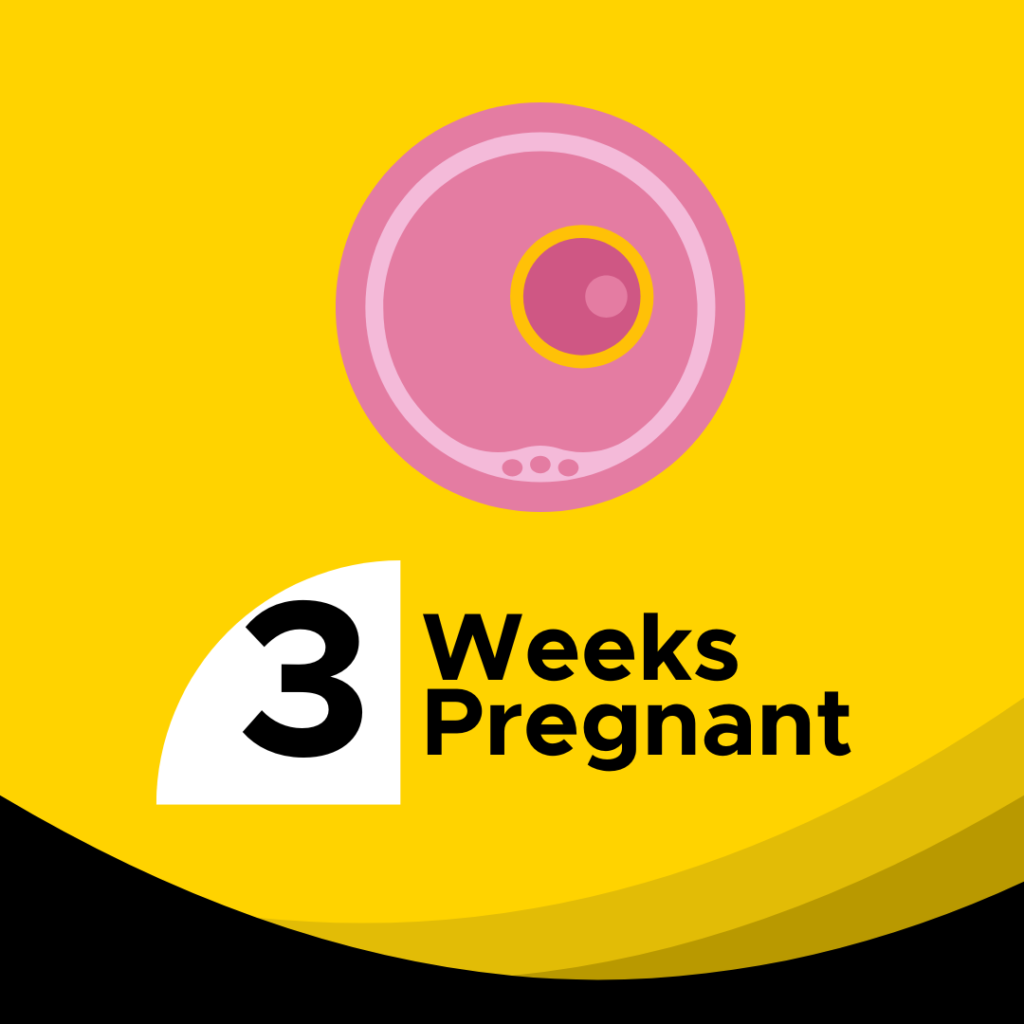
Discovering you’re pregnant can be thrilling and overwhelming, especially in these very early days. If you’ve just gotten a positive test or suspect you might be pregnant, you likely have many questions. At 3 weeks pregnant, monumental changes are happening deep inside your body, even though you may not look or feel dramatically different yet. Fertilization has typically just occurred as sperm meets egg, forming a zygote that divides into a blastocyst and begins its journey to the uterus. Your baby is a tiny cluster of cells, about the size of a pinhead. While many women feel no symptoms yet, potential early signs can include light implantation bleeding, mild cramps, and a heightened sense of smell. This comprehensive guide will walk you through exactly what’s occurring, what to expect, and the crucial steps to take for a healthy pregnancy journey.
This guide blends verified KKM recommendations, symptom management tips, baby development facts, and practical steps for Malaysian mothers. You’ll also learn when to book your ultrasound and how tools like Sonobee Ultrasound and the Flabee Care App make your antenatal care easier.
What Does “3 Weeks Pregnant” Actually Mean?
Pregnancy dating can be confusing. When doctors say you are “3 weeks pregnant,” they are typically counting from the first day of your last menstrual period (LMP), not from conception. This is known as the gestational age. In reality, conception likely occurred just one week ago.
Here’s the breakdown:
- Week 1: Your last menstrual period begins.
- Week 2: Ovulation occurs.
- Week 3: Fertilization and implantation take place.
So, yes, you are truly pregnant at 3 weeks. The magical process has begun. A sperm has successfully fertilized your egg, creating a single-celled zygote that is now rapidly dividing and traveling toward your uterus.

How Big Is Your Baby at 3 Weeks Pregnant?
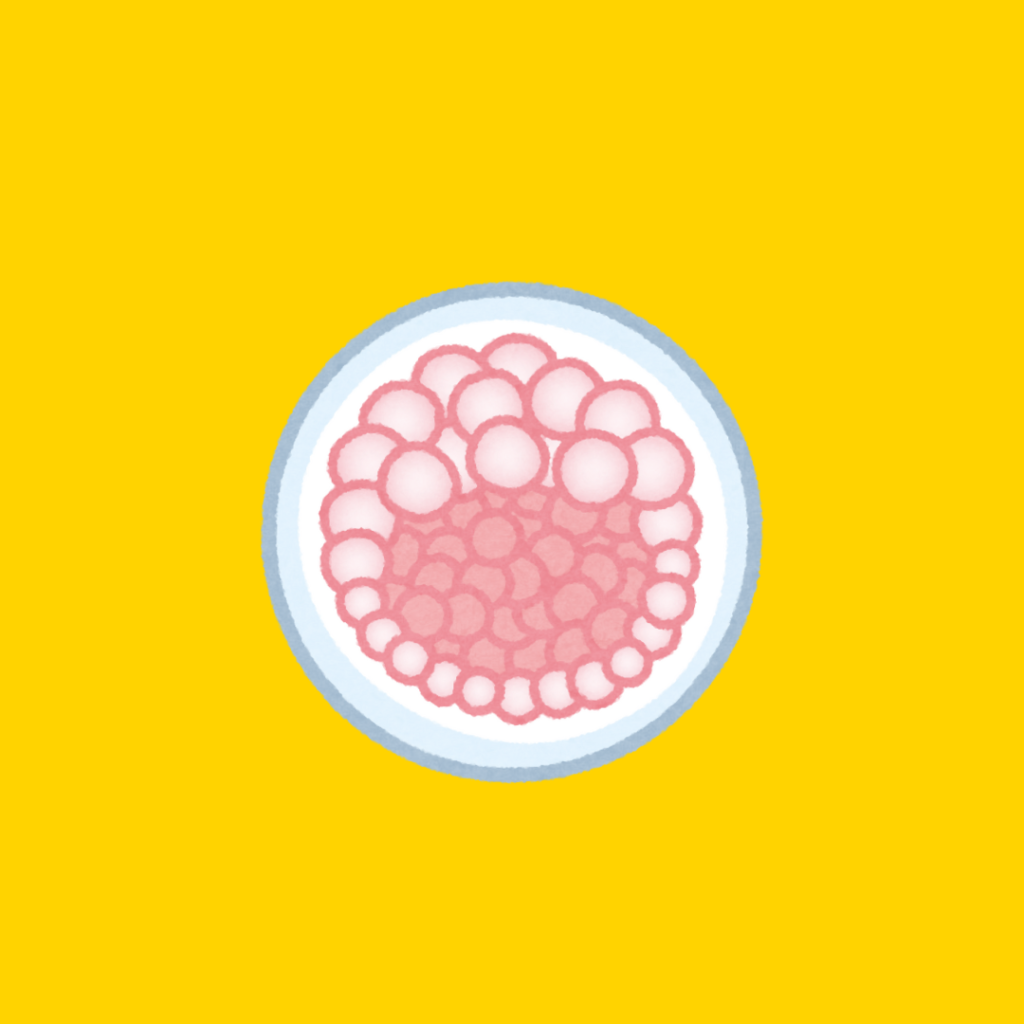
At 3 weeks of gestation, there is still no fetus in the anatomical sense. Instead, development is at the pre-embryonic stage, where the conceptus exists as a rapidly dividing group of cells known as a blastocyst.
The blastocyst is microscopic, measuring approximately 0.1–0.2 mm in diameter, which is comparable to the size of a grain of sand or a pinhead.
These measurements are consistent with established human embryology data and are interpreted in accordance with ISUOG and ACOG early pregnancy guidelines, which recognise that structures at this stage are not visible on routine ultrasound.
Incredible Development: What’s Happening in the Womb?
The development at 3 weeks is nothing short of miraculous. Here’s a timeline of key events:
- Fertilization: In your fallopian tube, the winning sperm penetrates the egg. Their genetic material combines, determining your baby’s sex, eye color, and more.
- Cell Division: The new zygote begins dividing—1 cell becomes 2, then 4, then 8, and so on—as it journeys down the tube.
- Blastocyst Formation: By the end of this week, the dividing cell ball forms a blastocyst. It has two distinct parts:
- Inner Cell Mass: Will become the embryo (your future baby).
- Outer Layer (Trophoblast): Will become the placenta, the life-support system that will nourish your baby.
- Implantation: The blastocyst reaches the uterus and burrows into the nutrient-rich uterine lining (endometrium). This is implantation, and it’s a critical milestone. Some women experience slight spotting or cramping during this process, known as implantation bleeding.
What Is Happening in Your Body at 3 Weeks Pregnant?
While your baby is busy implanting, your body is launching a massive hormonal campaign to support the pregnancy.
- The hCG Surge: The developing placenta starts producing the pregnancy hormone human Chorionic Gonadotropin (hCG). This hormone signals your ovaries to stop releasing eggs and boosts production of estrogen and progesterone. It’s the hormone detected by home pregnancy tests.
- Progesterone & Estrogen Rise: These hormones work to thicken your uterine lining, halt your menstrual cycle, and trigger early pregnancy symptoms.
- Missed Period: The most classic sign. If you have a regular cycle, your period is due around the end of this week or early next week. A missed period is often the first clue that leads to a pregnancy test.
Common Symptoms at 3 Weeks Pregnant: Can You Feel Pregnant?
Symptoms at 3 weeks can be subtle and are easily mistaken for premenstrual syndrome (PMS). Some women feel nothing at all. Possible early signs include:
- Implantation Bleeding/Cramping: Light pink or brown spotting and mild, brief uterine cramping.
- Breast Changes: Tender, sore, or tingling breasts. The areolas may begin to darken.
- Fatigue: Overwhelming tiredness due to soaring progesterone levels.
- Heightened Sense of Smell: Sudden aversion or sensitivity to certain odors.
- Frequent Urination: Increased need to urinate.
- Nausea: The very beginnings of “morning sickness” (which can strike any time of day) may start for some, though it’s more common in the coming weeks.
- Food Aversions or Cravings: Sudden dislike or desire for certain foods.
Can you feel pregnant? Some women report an intuitive “sense” or feeling different even before a test confirms it. However, many feel completely normal. Both experiences are perfectly normal.
Your Essential Checklist at 3 Weeks Pregnant
At 3 weeks pregnant, you are in the very early stages of pregnancy. Taking the right steps now supports healthy fetal development and prepares your body for the weeks ahead.
1. Take a Pregnancy Test
If you’ve missed your period, take a home pregnancy test. For the most accurate result, use your first-morning urine, which contains the highest concentration of the pregnancy hormone hCG.
According to KKM compliance, early pregnancy confirmation is recommended so that antenatal care can begin as soon as possible.
2. Schedule a Doctor’s Appointment
Contact your doctor, clinic, or midwife to arrange your first prenatal visit. This typically occurs around 8–10 weeks, but early consultation may be offered for confirmation and guidance.
According to KKM compliance, early registration for antenatal care is encouraged to allow proper monitoring and risk assessment from the first trimester.
3. Start or Continue Prenatal Vitamins
Begin taking a daily prenatal vitamin with at least 400–800 mcg of folic acid. Folic acid plays a critical role in preventing neural tube defects, which form in the earliest weeks of pregnancy.
According to KKM compliance, folic acid supplementation is advised for all women who are planning or newly pregnant.
4. Adopt Pregnancy-Safe Habits
Eliminate Harmful Substances: Stop all alcohol, smoking, and recreational drug use.
Limit Caffeine: Keep intake below 200 mg per day (approximately one cup of coffee).
Avoid High-Risk Foods: Avoid raw seafood, undercooked meat, deli meats (unless heated), unpasteurized dairy, and high-mercury fish.
According to KKM compliance, substance avoidance and food safety are key preventive measures to reduce pregnancy complications and fetal risks.
5. Nourish Your Body
Focus on a balanced diet rich in fruits, vegetables, whole grains, iron-rich foods, calcium, and lean protein. Maintain adequate hydration throughout the day.
According to KKM compliance, proper maternal nutrition is essential for healthy fetal growth and maternal well-being.
6. Practice Self-Care
Get enough rest, manage stress, and engage in gentle activities such as walking, breathing exercises, or prenatal yoga.
According to KKM compliance, emotional well-being and adequate rest are part of holistic antenatal care for a healthy pregnancy.

Tips for a Healthy and Safe Pregnancy Journey
- Educate Yourself: Read reputable sources (like this one!) and consider a week-by-week pregnancy book.
- Find Support: Confide in your partner, a trusted friend, or family member.
- Stay Active: Continue with moderate exercise you enjoy, like walking or swimming, unless your doctor advises otherwise.
- Ask Questions: Write down any concerns for your healthcare provider.
- Be Kind to Yourself: Your body is doing incredible work. Embrace the changes and give yourself grace.
The Takeaway
The 3-week pregnant mark is a time of profound, invisible beginnings. While you may be anxiously looking for signs, trust that incredible work is underway. A unique set of cells that is entirely your baby has formed and secured its home for the next nine months. Your most important tasks now are to confirm your pregnancy, start a prenatal vitamin, and embrace healthy lifestyle choices. Celebrate this moment, care for yourself, and look forward to the amazing journey ahead.
Supporting Your First Trimester with Digital Pregnancy Care
To complement regular antenatal visits recommended by Kementerian Kesihatan Malaysia (KKM), using reliable pregnancy tools can help you stay organised, informed, and confident throughout weeks 1–13.
Track Your Pregnancy Progress with Flabee Care
Keeping track of daily symptoms, baby movements, and personal notes is encouraged as part of pregnancy self-monitoring. With the Flabee Care app, expectant mothers can:
- Record daily baby movements (kick counts)
- Log symptoms, appointments, and reminders
- Keep personal pregnancy notes to share during antenatal visits
This simple habit helps mothers recognise what feels normal for their baby and supports more meaningful discussions with healthcare providers.
Book Your Recommended Scans with Sonobee Ultrasound
As advised under KKM antenatal care guidelines, ultrasounds play an important role in monitoring your baby’s growth and well-being during pregnancy. Through Sonobee Ultrasound, you can:
- Schedule recommended pregnancy scans conveniently
- Choose suitable appointment times
- Receive professional imaging support throughout your pregnancy
Early booking helps ensure timely assessments, especially as you approach the later weeks of pregnancy.
 Book your scan with Sonobee Utrasound to gain clearer insights into your baby’s development.
 Book Your Early Pregnancy Scan With Sonobee
Take the next step towards confident pregnancy care.
 Check your baby’s heartbeat Meet certified sonographers Comfortable & mother-friendly experience
Frequently Asked Questions (FAQ)
1. Is a 3-week pregnancy detectable on an ultrasound?
No, it is too early. The blastocyst is microscopic. The first ultrasound (dating scan) is usually performed between weeks 6 and 9.
2. Can I get a false negative pregnancy test at 3 weeks?
Yes, it’s very common. If you test too early (before your missed period), your hCG levels may not be high enough to detect. If you get a negative test but still suspect pregnancy, wait 2-3 days and test again with first-morning urine.
3. Is implantation bleeding heavy?
No. Implantation bleeding is typically very light spotting—a few drops of pink or brown discharge that lasts 1-2 days. Heavy bleeding or severe cramping warrants a call to your doctor.
4. Can I exercise at 3 weeks pregnant?
Absolutely. Continuing your regular, moderate exercise routine is beneficial. Now is not the time to start a new high-intensity program, but activities like walking, swimming, and prenatal yoga are excellent.
5. Should I tell anyone I'm pregnant at 3 weeks?
This is a personal decision. Many couples wait until after the first trimester (12 weeks) when the risk of miscarriage decreases significantly. Some choose to tell immediate family or close friends earlier for support.
6. What should I avoid at 3 weeks pregnant?
Avoid alcohol, smoking, illicit drugs, high-mercury fish, raw/undercooked foods, unpasteurized cheeses, hot tubs/saunas (due to high heat), and cleaning cat litter (risk of toxoplasmosis).
7. Can I have sex at 3 weeks pregnant?
Yes, sex is generally safe throughout a healthy pregnancy. You may experience changes in libido due to hormones or symptoms.
8. Are cramps normal at 3 weeks?
Mild, period-like cramps can be normal due to implantation and uterine changes. However, severe, sharp, or one-sided pain should be discussed with a doctor.
9. When will my morning sickness start?
Nausea often begins between weeks 4 and 9 of pregnancy. It’s less common to feel it at exactly 3 weeks, but heightened sensitivity to smells is a common precursor.
10. What are the chances of miscarriage at 3 weeks?
The overall risk in early pregnancy is significant, but it’s important to remember that most pregnancies progress normally. The risk decreases substantially after a healthy heartbeat is detected on an ultrasound. Focus on what you can control: your health and habits.
Disclaimer: This article is for informational purposes only and does not constitute medical advice. Always consult with a qualified healthcare professional for any personal health concerns or before making any decisions related to your pregnancy.
References & Resources
Intergrowth-21st | Fetal Size Standards
ISUOG Practice Guidelines: Ultrasound Assessment of Fetal Biometry and Growth
Perinatal Care Manual 4th Edition
Garis Panduan | Senarai Semak Bagi Penjagaan Kesihatan Ibu Mengikut Sistem Kod Warna
Handbook of Obstetrics Guideline | Ministry of Health Malaysia
Maternal Dietary Guidelines for Malaysia
Healthy Eating during Pregnancy and Breastfeeding | Booklet for mothers | 2001