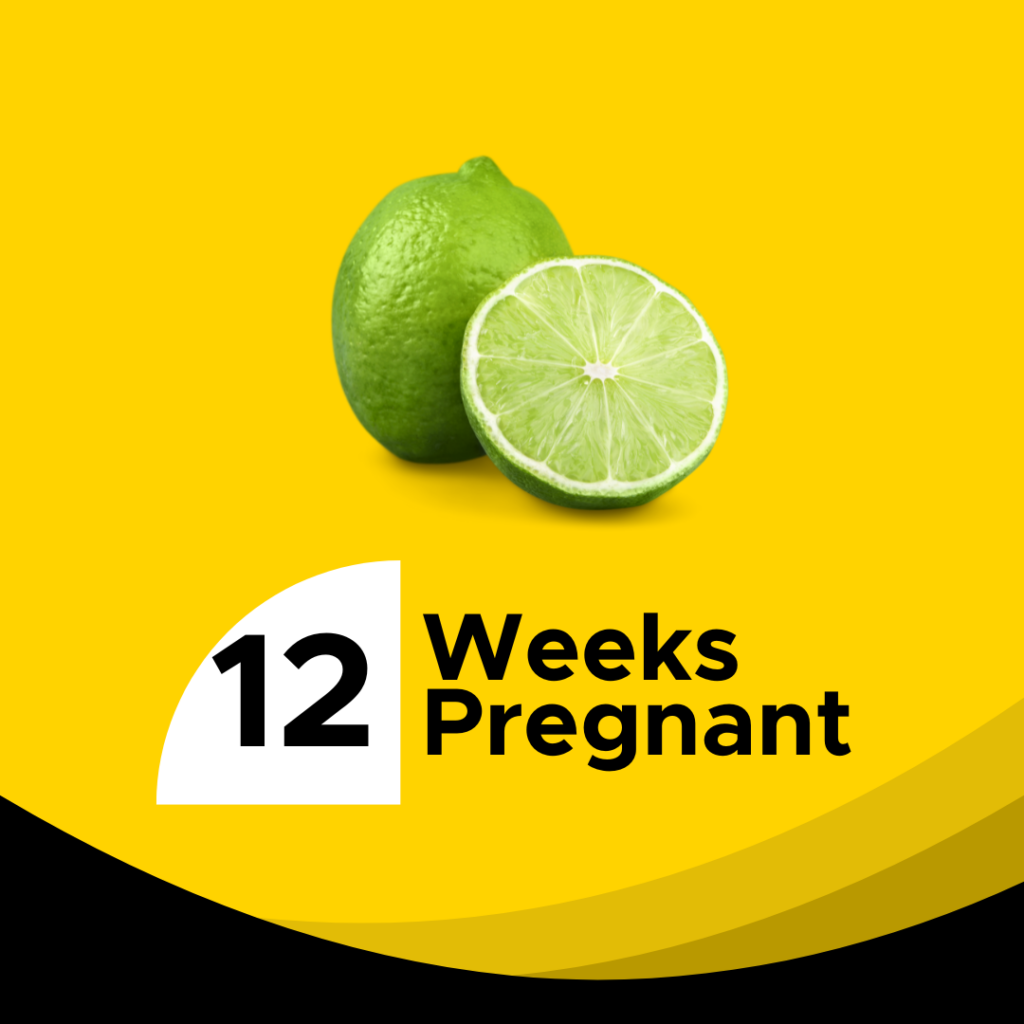
At 12 weeks pregnant, you stand at a remarkable threshold. Your baby, now about the size of a plum, has graduated from embryo to fetus, with all major organs, muscles, and bones fully formed and beginning to practice their first tiny movements. For you, this milestone often brings a welcome shift; while fatigue, bloating, and headaches may linger, the grip of morning sickness can finally begin to ease. You might notice the first undeniable curve of a growing belly, and for some, a welcome return of energy and libido. This is also the time for a pivotal prenatal appointment: the 12-week scan, which offers a first detailed look at your baby’s development and can provide important screenings. Welcome to the finale of the first trimester—a turning point filled with promise and new discoveries.
This guide blends verified KKM recommendations, symptom management tips, baby development facts, and practical steps for Malaysian mothers. You’ll also learn when to book your ultrasound and how tools like Sonobee Ultrasound and the Flabee Care App make your antenatal care easier.
What is the 12 Weeks Pregnant Milestone?
The 12-week mark is far more than just a number on the calendar. It signifies the end of the first trimester, which runs from week 1 to week 12. This is a huge psychological and physical milestone for several reasons:
- Decreased Risk of Miscarriage: The risk of miscarriage drops significantly after the first trimester, which is why many expecting parents feel more comfortable sharing their happy news with friends and family around this time.

- The Placenta Takes Over: Around this time, the placenta is fully formed and takes over the critical job of producing hormones and providing oxygen and nutrients to your baby. This often leads to a welcome shift in your symptoms.
- A Period of Rapid Growth: Your baby is transitioning from an embryo to a fully-formed fetus, and the coming weeks are all about maturation and growth.
How Big is Your Baby at 12 Weeks?
At 12 weeks of gestation, the fetus is approximately the size of a plum or a lime. The average crown-to-rump length (CRL) measures about 50–60 mm (5.0–6.0 cm), with a mean value of approximately 54 mm (5.4 cm).
The estimated fetal weight at this stage is approximately 14 grams (0.49 ounces).
These measurements are consistent with established first-trimester fetal biometry standards, including the Hadlock crown–rump length reference charts and INTERGROWTH-21st fetal growth standards, and are interpreted in accordance with ISUOG ultrasound practice guidelines, which recommend CRL as the most accurate and reliable parameter for gestational age assessment up to 13 weeks and 6 days.
Developmental Correlation (Clinical Context)
By 12 weeks, ultrasound and embryology data typically demonstrate:
Neuromuscular maturation: Early reflex activity is present, including spontaneous limb movements.
Craniofacial development: Facial structures have a recognisable human profile, with eyes and ears approaching anatomical position.
Renal and hematopoietic function:
Kidneys begin producing urine, contributing to amniotic fluid.
Bone marrow starts initiating white blood cell production.
Endocrine activity: The pituitary gland becomes functionally active.
What to Expect at 12 Weeks Pregnant: Symptoms & Feelings
As your body adjusts to the hormonal shifts and your baby’s growth, you’ll experience a range of symptoms. So, what should you feel at 12 weeks pregnant? The experience varies greatly, but here are the most common sensations:
Common Symptoms at 12 Weeks
- A Glimmer of Energy: For many, the crushing fatigue of the first trimester begins to lift. You might find yourself feeling more energetic and less like napping every afternoon.
- Nausea May Subside: The dreaded morning sickness often starts to ease as the placenta takes over hormone production. However, some may still experience it for a few more weeks.
- The “12-Week Bump”: You might notice a small, firm lower belly bump. For first-time moms, it may still look like a big lunch, but for others, it’s the clear beginning of a baby bump.

- Changes in Breasts: Your breasts are likely still tender and may have grown larger as your milk ducts develop.
- Dizziness: Increased blood flow and hormonal changes can cause occasional dizziness or lightheadedness. Remember to stay hydrated and get up slowly from sitting or lying down.
- Increased Discharge: A thin, milky white vaginal discharge (leukorrhea) is normal and helps to prevent infections.
What are Good Signs at 12 Weeks Pregnant?
While symptoms can be uncomfortable, many are actually positive indicators of a healthy pregnancy. Good signs at 12 weeks pregnant include:
- Pregnancy Symptoms in General: The presence of symptoms like breast tenderness and nausea, while unpleasant, often indicates that pregnancy hormones are high and things are progressing.
- A Growing Bump: The appearance of a small bump is a visible sign of your growing uterus and baby.
- Hearing the Heartbeat: If you have a prenatal appointment around this time, hearing your baby’s strong, fast heartbeat on a Doppler is one of the most reassuring and wonderful signs.
What to Do at 12 Weeks Pregnant: Your Action Plan
You’ve reached 12 weeks — the final week of your first trimester! This is a meaningful milestone where many mothers begin to feel more energetic as nausea slowly improves. According to the Ministry of Health Malaysia (KKM), this period is also important for ensuring proper screening, strengthening healthy habits, and preparing for the changes ahead.
- Schedule Your 12-Week Ultrasound (NT Scan)
If you haven’t done it yet, booking your Nuchal Translucency (NT) Scan should be top priority.
Although NT screening is commonly practiced in private healthcare settings, KKM recommends early antenatal assessments and appropriate fetal screening during the first trimester to support early detection of potential complications.
The 12-week scan helps evaluate:
- fetal growth
- nuchal translucency thickness
- early markers for chromosomal conditions
- pregnancy dating accuracy
This scan also gives many parents their first clear look at baby’s shape and movements.
- Announce Your Pregnancy (If You’re Ready)
Many families choose to share the news around Week 12, as the risk of miscarriage drops significantly by the end of the first trimester (based on international medical consensus such as Mayo Clinic and CDC).
There is no right or wrong time — choose whatever feels emotionally safe and comfortable for you.
- Re-Evaluate Your Diet as Nausea Improves
According to KKM’s MDGM (Buku Panduan Diet Ibu Mengandung), the second trimester is a great time to focus on consistent, balanced nutrition. As nausea begins to fade, you may feel ready for more variety.
Aim for:
- Lean proteins: chicken, tofu, eggs, legumes
- Leafy greens: spinach, kailan, sawi
- Whole grains: oats, brown rice, wholemeal breads
- Calcium-rich foods: dairy, fortified soy milk, yogurt
If nausea is still present, small frequent meals — a method supported by KKM — continue to be helpful.

- Update Your Wardrobe for Comfort
At 12 weeks, your uterus is rising above your pelvic bone, and bloating may make your waistbands feel snug.
Comfort is part of healthy daily functioning, so beginning to explore:
- stretchy dresses
- soft maternity leggings
- loose tops
- maternity jeans
can help you move better and feel more at ease as your bump grows.
- Stay Hydrated Throughout the Day
KKM antenatal care guidelines highlight hydration as essential for:
- maintaining increased blood volume
- reducing headaches
- preventing constipation
- supporting overall well-being
Try keeping a water bottle nearby and sipping frequently, especially in warm Malaysian weather.
Is the Best Scan Done at 12 Weeks?
This is a common question. The scan done when the pregnancy reaches 12 weeks is one of the most important ones in your pregnancy, but it’s not the only “best” scan. The 12-week scan, often called the Nuchal Translucency (NT) Scan, is a crucial screening test.
What it involves: This ultrasound measures the clear space in the tissue at the back of your baby’s neck. Combined with a blood test, it assesses the risk of your baby having certain chromosomal conditions, such as Down syndrome. It also provides a first, detailed look at your baby’s development, confirming the due date and checking the heartbeat.
While the 20-week anatomy scan is another “best” scan for checking physical development in detail, the 12-week scan is undoubtedly a vital and exciting milestone.
Which Exercises Are Suitable for 12 Weeks Pregnant?
Staying active is excellent for you and your baby, boosting your mood and energy. According to the Ministry of Health Malaysia (KKM) through its Manual Senaman Antenatal & Postnatal di Klinik Kesihatan, pregnant mothers are encouraged to engage in safe, low-impact activities that support mobility, strength, and comfort throughout pregnancy. As you enter the second trimester, here are suitable exercises for 12 weeks pregnant:
- Walking: A simple, low-impact exercise that is safe throughout pregnancy.
- Swimming or Water Aerobics: The water supports your weight, providing relief for your joints and a great full-body workout.
- Prenatal Yoga or Pilates: These are fantastic for improving flexibility, building strength, and practicing breathing techniques useful for labor.
- Stationary Cycling: A safe way to get your heart rate up without the risk of falling.
Always listen to your body, avoid exercises that involve lying flat on your back for extended periods, and stay hydrated. It’s wise to consult your doctor before starting any new exercise regimen.
What to Avoid at 12 Weeks Pregnant
Protecting your health and your baby’s development remains paramount. Here is a checklist for what to avoid at 12 weeks pregnant:
- Alcohol, Smoking, and Recreational Drugs: These are strictly contraindicated as they can cause severe birth defects and developmental issues.
- Certain Foods: Avoid high-mercury fish, raw or undercooked meat and eggs, unpasteurized dairy and juices, and deli meats unless heated until steaming hot.
- Hot Tubs and Saunas: Elevated core body temperature can be harmful to the developing baby.
- Certain Medications: Always check with your doctor or midwife before taking any over-the-counter or prescription medications.
- High-Impact or Contact Sports: Avoid activities with a high risk of falling or abdominal injury.

Can I Feel a Baby at 12 Weeks?
This is one of the most eagerly awaited moments. Can you feel a baby at 12 weeks?
It is highly unlikely. While your baby is moving quite a lot in the womb, they are still very small, and their movements are too gentle to be felt from the outside. The sensation of feeling your baby move, known as “quickening,” typically begins between weeks 16 and 25, with first-time moms often feeling it later. So, don’t worry if you don’t feel anything yet—it’s completely normal!
Reaching 12 weeks pregnant is a cause for celebration. You have navigated the often-turbulent first trimester and are stepping into a period known for increased energy and visible growth. Embrace this exciting time, take care of your body, and don’t hesitate to reach out to your healthcare provider with any questions or concerns. Your incredible journey to motherhood is well underway.
Supporting Your First Trimester with Digital Pregnancy Care
To complement regular antenatal visits recommended by Kementerian Kesihatan Malaysia (KKM), using reliable pregnancy tools can help you stay organised, informed, and confident throughout weeks 1–13.
Track Your Pregnancy Progress with Flabee Care
Keeping track of daily symptoms, baby movements, and personal notes is encouraged as part of pregnancy self-monitoring. With the Flabee Care app, expectant mothers can:
- Record daily baby movements (kick counts)
- Log symptoms, appointments, and reminders
- Keep personal pregnancy notes to share during antenatal visits
This simple habit helps mothers recognise what feels normal for their baby and supports more meaningful discussions with healthcare providers.
Book Your Recommended Scans with Sonobee Ultrasound
As advised under KKM antenatal care guidelines, ultrasounds play an important role in monitoring your baby’s growth and well-being during pregnancy. Through Sonobee Ultrasound, you can:
- Schedule recommended pregnancy scans conveniently
- Choose suitable appointment times
- Receive professional imaging support throughout your pregnancy
Early booking helps ensure timely assessments, especially as you approach the later weeks of pregnancy.
 Book your scan with Sonobee Utrasound to gain clearer insights into your baby’s development.
 Book Your Early Pregnancy Scan With Sonobee
Take the next step towards confident pregnancy care.
 Check your baby’s heartbeat Meet certified sonographers Comfortable & mother-friendly experience
Frequently Asked Questions (FAQ)
1. Is it normal to have no symptoms at 12 weeks?
Yes, it can be. Every pregnancy is different. Some women find their symptoms fade around this time, which is often a welcome relief. If you are concerned, always speak with your healthcare provider.
2. Can I still have morning sickness at 12 weeks?
Absolutely. While it often subsides, some women experience nausea well into their second trimester.
3. What if I don't have a baby bump at 12 weeks?
This is completely normal, especially for first-time pregnancies. The uterus is just emerging above the pubic bone. Bumps can appear anywhere from 12 to 16 weeks or even later.
4. Is it safe to travel at 12 weeks pregnant?
The second trimester is often considered the safest and most comfortable time for travel. However, always consult your doctor, especially for long journeys.
5. Why am I experiencing headaches at 12 weeks?
Headaches can be caused by hormonal shifts, dehydration, lack of sleep, or even caffeine withdrawal. Ensure you’re drinking enough water and resting. Consult your doctor for persistent headaches.
6. Can I find out the gender at the 12-week scan?
While the genitals are forming, it is usually too early to determine the sex accurately via ultrasound. The most reliable time for this is during the 20-week anatomy scan. NIPT blood tests can sometimes reveal the sex earlier.
7. How much weight should I have gained by 12 weeks?
Weight gain varies. Many women gain only 2-5 pounds in the first trimester. The majority of weight gain happens in the second and third trimesters.
8. Is spotting normal at 12 weeks?
Any bleeding should be reported to your doctor immediately. While it can be harmless (e.g., after sex due to a sensitive cervix), it’s essential to get it checked out to rule out any complications.
9. Why do I feel so bloated and gassy?
The hormone progesterone relaxes smooth muscle tissue throughout your body, including your digestive tract, which slows down digestion and leads to bloating and gas.
10. When is my next prenatal appointment after the 12-week scan?
Typically, if your pregnancy is low-risk, your next appointment will be in about 4 weeks, around the 16-week mark.
Disclaimer: This article is for informational purposes only and does not constitute medical advice. Always consult with a qualified healthcare professional for any personal health concerns or before making any decisions related to your pregnancy.
References & Resources
Ultrasound | Estimating Fetal Age Computer Assisted Analysis Of Multiple Fetal Growth Parameters1
Intergrowth-21st | Fetal Size Standards
ISUOG Practice Guidelines: Ultrasound Assessment of Fetal Biometry and Growth
Perinatal Care Manual 4th Edition