Everything You Need to Know Before Your Blood Test
Blood tests are laboratory analyses of blood samples, usually taken from a vein, to evaluate health indicators such as cholesterol levels, blood glucose, liver and kidney function, and blood cell counts. They play an essential role in diagnosing diseases, monitoring existing health conditions, and screening for potential health risks. Common types of blood tests include the Complete Blood Count (CBC), lipid profile, metabolic panels, and antibody tests. According to the Ministry of Health Malaysia, laboratory investigations such as blood tests are essential tools that support clinical diagnosis, treatment monitoring, and preventive healthcare in modern medical practice (Ministry of Health Malaysia, 2021).
When your doctor recommends one of these tests, it is natural to have questions. What will it detect? Will it hurt? How should you prepare? Because blood circulates throughout the entire body, it carries information about organ function, immune responses, and metabolic processes, making it a valuable indicator of overall health (World Health Organization, 2023).
This guide will walk you through everything you need to know about blood tests, from the basic definition to common panels such as the Complete Blood Count (CBC) and Basic Metabolic Panel (BMP).
What is a Blood Test?
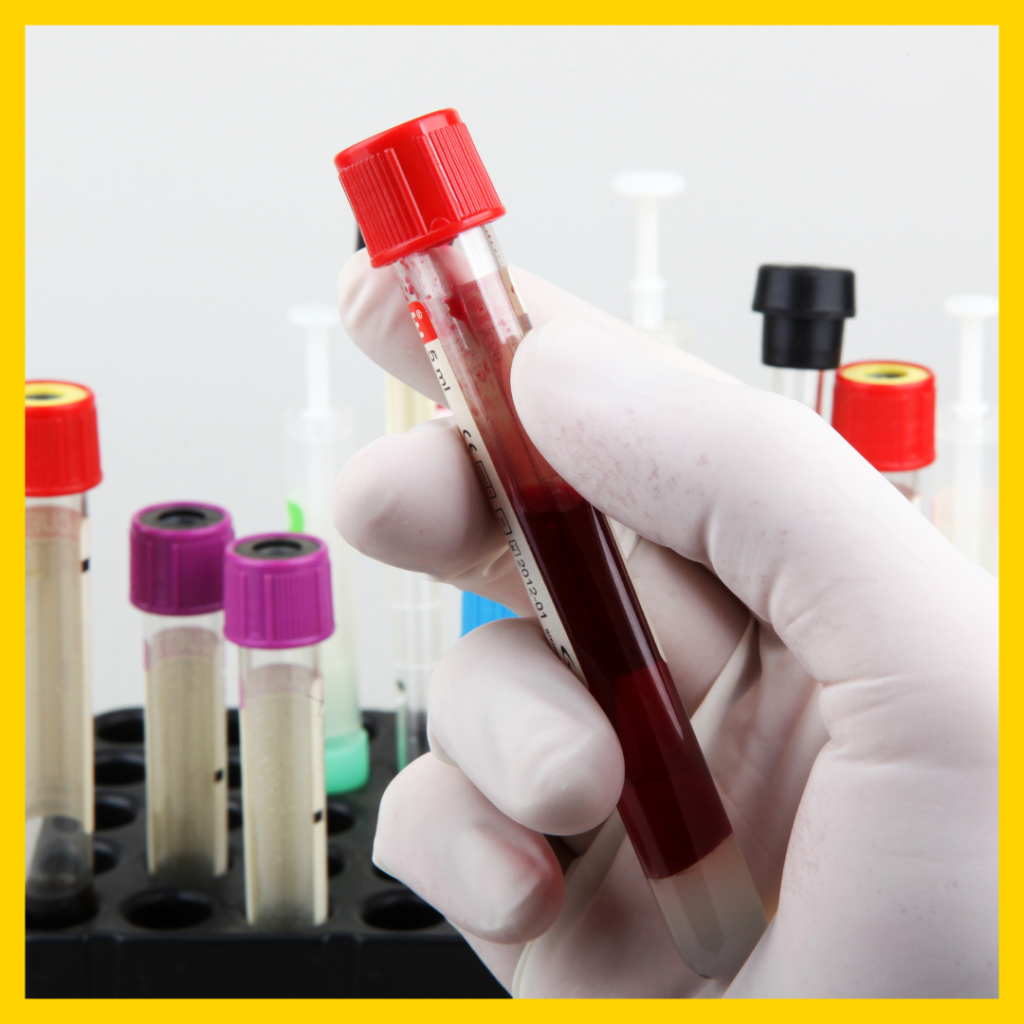
A blood test is a laboratory analysis performed on a sample of blood, typically drawn from a vein in the arm using a sterile needle. The sample is then analysed in a medical laboratory to measure different components such as blood cells, proteins, enzymes, hormones, and chemical substances. These results provide healthcare professionals with valuable information about a patient’s health status and help guide clinical decision-making (Ministry of Health Malaysia, 2021; World Health Organization, 2023).
Clinical laboratories operate under strict quality assurance and safety standards to ensure that results are accurate and reliable. In Malaysia, medical laboratories must comply with standards such as MS ISO 15189: Medical Laboratories – Requirements for Quality and Competence, which ensures quality management and reliability in laboratory diagnostic services (Department of Standards Malaysia, 2019).
What is the Purpose of Doing a Blood Test?
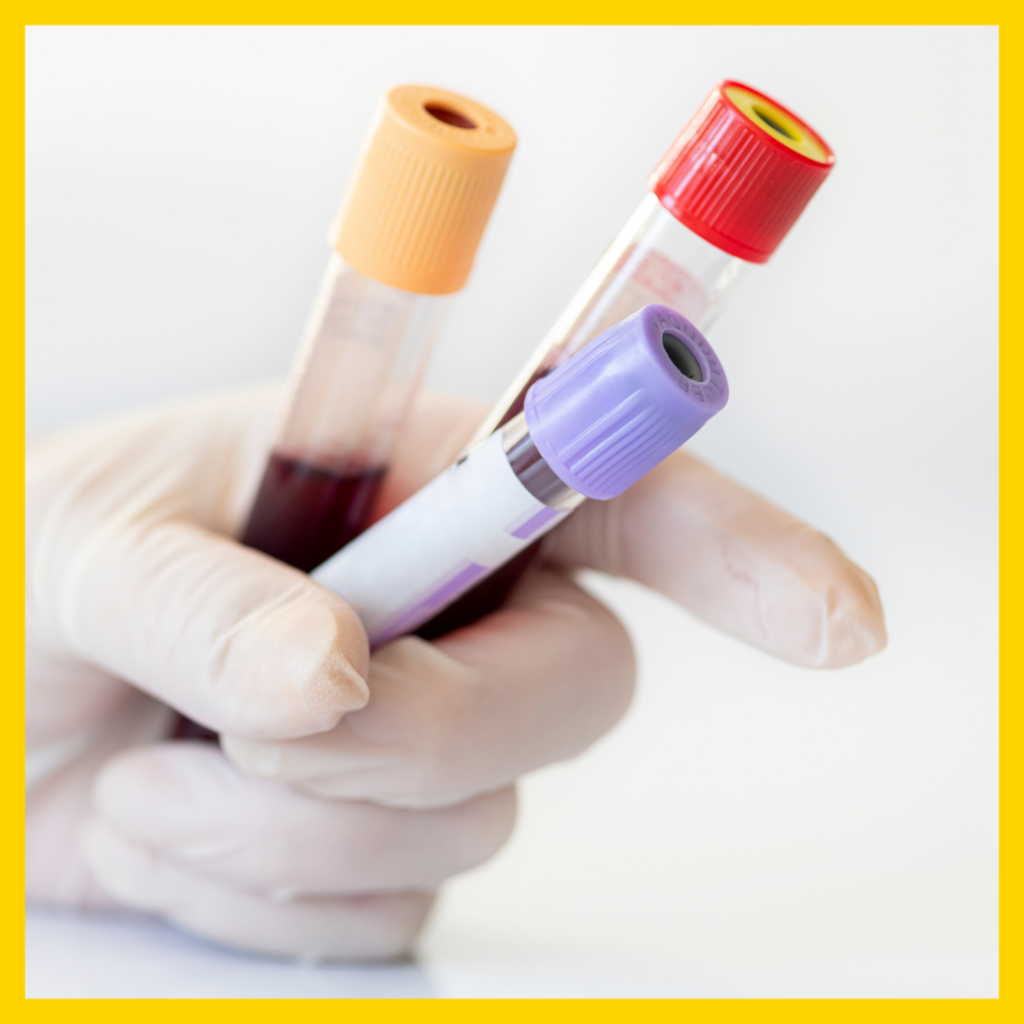
Healthcare providers order blood tests for many different reasons, as they provide important information about the body’s internal functioning.
Assessing General Health
Blood tests are commonly performed during routine health screenings or annual check-ups. They help identify early warning signs of conditions such as anemia, high cholesterol, or diabetes before symptoms develop (Ministry of Health Malaysia, 2020).
Diagnosing Medical Conditions
Blood tests are frequently used to confirm or rule out suspected illnesses. For example, elevated blood glucose levels may indicate diabetes, while abnormal white blood cell counts may suggest infection or inflammation (World Health Organization, 2023).
Monitoring Chronic Diseases
Patients with long-term conditions such as diabetes, thyroid disorders, or kidney disease often require regular blood tests to monitor disease progression and evaluate treatment effectiveness (Ministry of Health Malaysia, 2020).
Evaluating Organ Function
Blood tests can measure substances that indicate how well organs such as the liver, kidneys, heart, and thyroid are functioning. These tests help doctors detect organ damage or dysfunction at an early stage (World Health Organization, 2023).
Assessing Treatment Effectiveness
Doctors may use blood tests to evaluate how well medications or treatments are working. For example, cholesterol tests help determine whether lifestyle changes or medications are effectively reducing cardiovascular risk (Ministry of Health Malaysia, 2020).
Screening for Genetic or Infectious Conditions
Certain blood tests can identify genetic markers, immune responses, or infectious agents such as viruses or bacteria. These tests are important for disease prevention, screening, and early diagnosis (World Health Organization, 2023).
Common Types of Blood Tests You Should Know
Complete Blood Count (CBC)
A Complete Blood Count (CBC) measures the main types of blood cells in your body:
- Red Blood Cells (RBCs): Carry oxygen
- White Blood Cells (WBCs): Fight infection
- Platelets: Help with blood clotting
It is commonly used to detect anemia, infections, and other blood-related disorders. KKM highlights that CBC is a fundamental investigation in clinical practice for identifying infections, anemia, and haematological abnormalities (KKM, 2021).
Basic Metabolic Panel (BMP)
This test measures important chemicals in the blood such as:
- Glucose (blood sugar)
- Electrolytes (sodium, potassium)
- Kidney-related markers
It helps assess metabolism and organ function. According to KKM guidelines, blood glucose and electrolyte monitoring are essential in diagnosing and managing metabolic conditions such as diabetes (KKM, 2020).
Liver Function Test (LFT)
A Liver Function Test evaluates how well your liver is working by measuring enzymes and proteins such as:
- ALT (Alanine Aminotransferase)
- AST (Aspartate Aminotransferase)
- Bilirubin
- Alkaline Phosphatase (ALP)
Abnormal results may indicate:
- Liver inflammation (hepatitis)
- Fatty liver disease
- Liver damage due to medications or alcohol
According to KKM, liver enzyme testing is important in detecting liver injury, monitoring chronic liver diseases, and evaluating patients at risk of hepatitis or metabolic conditions affecting the liver (KKM, 2017; KKM, 2021).
Kidney Function Test
Kidney function tests assess how efficiently your kidneys filter waste from your blood. Key markers include:
- Creatinine
- Urea
- Estimated Glomerular Filtration Rate (eGFR)
These tests help detect:
- Early kidney disease
- Chronic kidney conditions
- Effects of medications on kidney function
KKM states that serum creatinine and eGFR are essential investigations for detecting and monitoring chronic kidney disease (CKD), especially among high-risk patients such as those with diabetes and hypertension (KKM, 2018; KKM, 2020).
Tumour Markers
Tumour markers are substances that may be produced by cancer cells or by the body in response to cancer. Common examples include:
- CA-125 (ovarian cancer)
- PSA (prostate cancer)
- AFP (liver cancer)
These tests are mainly used to:
- Monitor cancer treatment
- Detect recurrence
They are not used alone to diagnose cancer but are part of a broader clinical evaluation. KKM guidelines emphasise that tumour markers should be used cautiously and primarily for monitoring rather than standalone diagnosis, as results must be interpreted alongside clinical findings and imaging (KKM, 2019).
Who Needs a Blood Test?
Almost everyone will need a blood test at some point in their life. Doctors decide whether a blood test is necessary based on symptoms, medical history, risk factors, and routine screening recommendations.
You may need a blood test if you:
- Experience symptoms such as fatigue, fever, or unexplained weight loss
- Have a chronic disease requiring regular monitoring
- Are starting a medication that may affect organ function
- Are undergoing routine health screening or medical check-ups
- Have a family history of certain health conditions
According to the Ministry of Health Malaysia, routine health screening and laboratory investigations can help detect diseases at an early stage, allowing earlier treatment and improved long-term health outcomes (Ministry of Health Malaysia, 2020).
What is the Inspection Procedure?
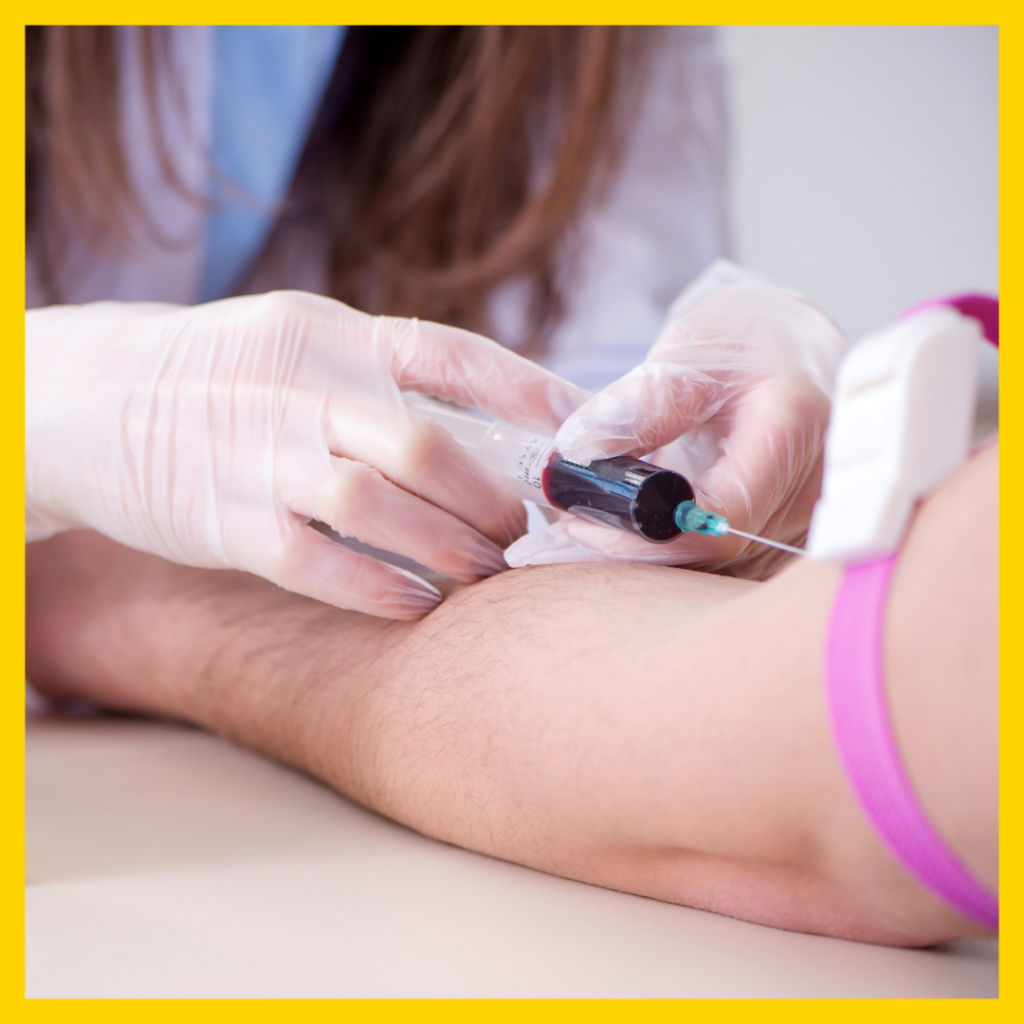
The process of drawing blood, also known as venipuncture, is typically quick and safe when performed by trained healthcare professionals.
Preparation
You will usually be seated or lying down while a trained healthcare worker or phlebotomist prepares the equipment. Patient identity and test requests are confirmed before the procedure begins to ensure patient safety (Ministry of Health Malaysia, 2021).
Finding the Vein
A tourniquet (elastic band) is placed around the upper arm to make veins more visible. The healthcare provider may ask you to make a fist to help the vein become more prominent.
Cleaning the Skin
The puncture site is cleaned with an antiseptic solution to reduce the risk of infection.
Needle Insertion
A sterile needle is gently inserted into the vein. Most people feel a brief pinch or slight discomfort, but the procedure is generally well tolerated (World Health Organization, 2023).
Blood Collection
Blood is collected into one or more test tubes, depending on the number of tests requested.
Aftercare
The needle is removed, and gentle pressure is applied using cotton or gauze to stop bleeding. A small bandage is then placed over the puncture site.
The entire process usually takes only a few minutes, and complications are rare. Minor bruising may occur but typically resolves quickly (Ministry of Health Malaysia, 2021).
Why is it Important to Have This Blood Test Examination?
Blood tests are a cornerstone of modern medical diagnosis and preventive healthcare. They provide objective clinical information that helps healthcare providers make informed decisions about diagnosis, treatment, and monitoring.
Many serious conditions—including diabetes, cardiovascular disease, kidney disease, and certain infections—may develop gradually without obvious symptoms. Blood tests allow these conditions to be detected earlier, enabling timely treatment and improved patient outcomes (World Health Organization, 2023).
According to the Ministry of Health Malaysia, early detection through screening and laboratory investigations is an important strategy in reducing the burden of non-communicable diseases in the population (Ministry of Health Malaysia, 2020).
What Does a Complete Blood Count (CBC) Test Show?
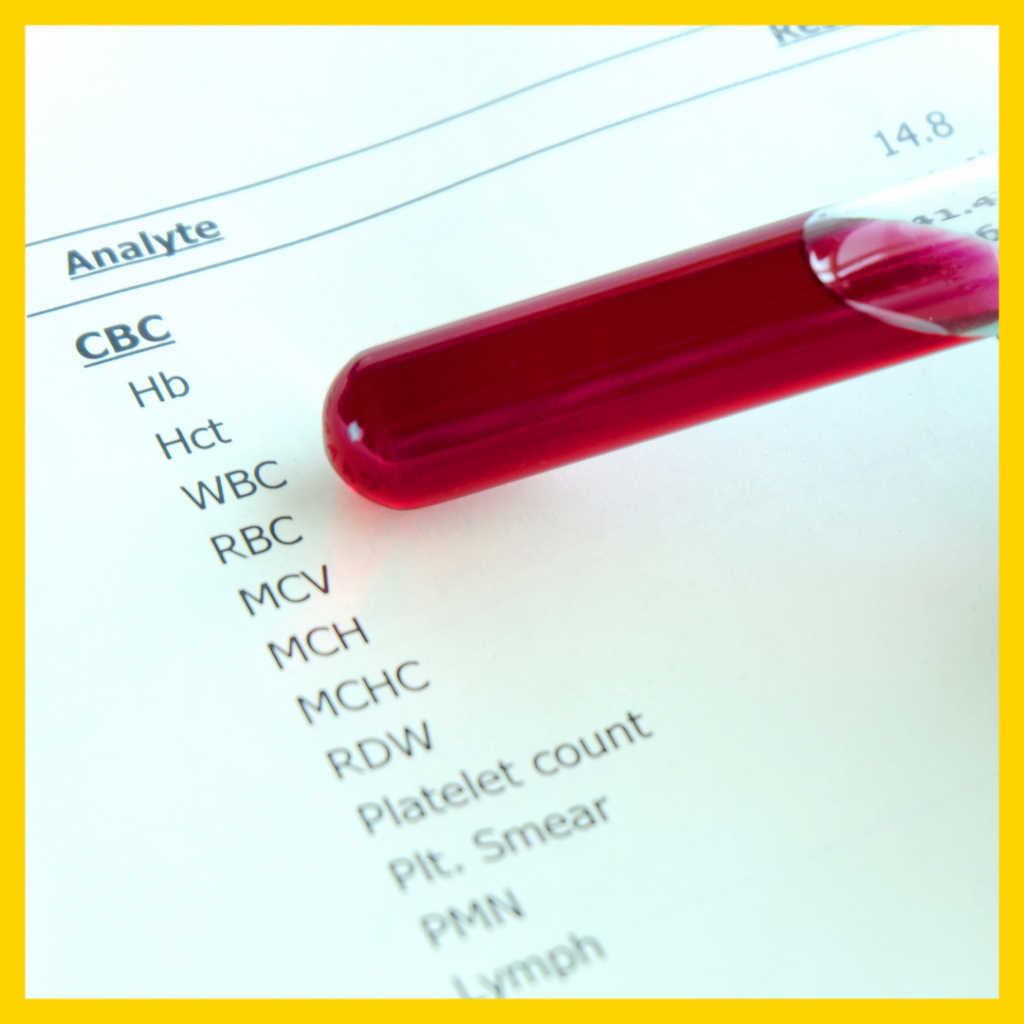
The Complete Blood Count (CBC) is one of the most commonly ordered blood tests. It measures the main types of blood cells circulating in the bloodstream and provides important information about overall health (World Health Organization, 2023).
A CBC typically evaluates:
- Red Blood Cells (RBCs) – Responsible for carrying oxygen throughout the body
- White Blood Cells (WBCs) – Important for immune defense against infections
- Platelets – Essential for blood clotting and preventing excessive bleeding
Additional measurements such as Mean Corpuscular Volume (MCV) and Red Cell Distribution Width (RDW) help doctors identify and classify different types of anemia (Ministry of Health Malaysia, 2021).
What Does a Basic Metabolic Panel (BMP) Show?
The Basic Metabolic Panel (BMP) measures several important chemicals in the blood and provides information about metabolism and organ function.
These tests commonly include:
Blood Glucose
High glucose levels may indicate diabetes or impaired glucose tolerance.
Kidney Function
Tests such as Blood Urea Nitrogen (BUN) and Creatinine evaluate how effectively the kidneys filter waste from the blood.
Electrolytes
Electrolytes such as Sodium, Potassium, Chloride, and Carbon Dioxide are important for maintaining fluid balance, nerve signalling, and muscle function.
Calcium
Calcium plays a key role in bone health, nerve signalling, and muscle contraction (World Health Organization, 2023).
A related test, the Comprehensive Metabolic Panel (CMP), includes all BMP tests plus additional measurements related to liver function.
What Preparations Are Needed to Perform a Blood Test?
Preparation for a blood test depends on the specific test requested. In many cases, no special preparation is required. However, some tests require fasting to ensure accurate results.
Fasting means avoiding food and beverages—except plain water—for 8 to 12 hours before the test. This helps prevent recent food intake from affecting certain measurements (Ministry of Health Malaysia, 2020).
Tests that commonly require fasting include:
- Blood glucose tests
- Lipid profile (cholesterol tests)
- Basic or Comprehensive Metabolic Panels
Patients should always follow the specific instructions provided by their healthcare provider. If fasting instructions are not followed correctly, the test may need to be repeated to ensure accurate results.
Conclusion
In conclusion, blood tests are a fundamental part of modern healthcare, offering valuable insights into your body’s overall condition, organ function, and risk of disease. From routine screenings to the diagnosis and monitoring of medical conditions, these tests provide accurate and timely information that supports better clinical decisions and long-term health management. As highlighted by the Ministry of Health Malaysia and the World Health Organization, regular laboratory investigations play a crucial role in early detection, prevention, and effective treatment of many health conditions.
Understanding what blood tests are, why they are performed, and how to prepare for them can help reduce anxiety and empower you to take a more proactive role in your health. Whether you are undergoing a simple check-up or managing a chronic condition, staying informed and following your healthcare provider’s advice ensures you get the most accurate results and appropriate care.
Prioritising regular health screenings, including blood tests, is a simple yet powerful step towards maintaining your well-being. If you have concerns about your health or are due for a check-up, consult a qualified healthcare provider and take action early—because better health starts with better awareness.
Take Charge of Your Health Today
Don’t wait for symptoms to appear before taking action. A simple blood test can provide valuable insights into your health and help detect potential issues early—when they are easier to manage and treat.
At Sonobee Ultrasound, we offer convenient, reliable, and professional blood test services to support your health journey. Whether you need a routine check-up, disease screening, or ongoing monitoring, our team is here to help you every step of the way.
👉 Book your blood test appointment with Sonobee Ultrasound today and take the first step towards better health and peace of mind.
10 Frequently Asked Questions (FAQs) About Blood Tests
1. Can I drink water before a blood test?
Yes, absolutely. If you are fasting, you can and should drink plain water. Staying hydrated helps keep your veins plump, making the blood draw easier . Avoid flavored water, coffee, tea, and juice.
2. Can I take my medication while fasting?
Ask your doctor. In most cases, you should take your regular prescription medications, but you should confirm this with your healthcare provider, especially for medications that need to be taken with food .
3. Does a blood test hurt?
You will feel a quick scratch or pinch as the needle goes in, but the discomfort is usually very mild and only lasts a few seconds .
4. How long does it take to get results?
It varies. Some results may be available within 24 hours, while others (like specialized tests) can take a week or more. Ask your doctor’s office when you should expect to hear from them .
5. What happens if I don't fast when I'm supposed to?
Your test results will likely be inaccurate. For example, a non-fasting glucose or cholesterol test will be artificially high. If you break your fast, tell your doctor so they can properly interpret the results or reschedule the test .
6. Why do I have to make a fist during the blood draw?
Making a fist makes the veins in your arm more prominent and easier for the phlebotomist to see and access .
7. What is a "lightheaded" feeling after a blood test?
It’s not uncommon to feel dizzy or lightheaded afterward, especially if you were fasting. This is why it’s a good idea to have a snack and a drink after your test and sit for a few minutes before leaving .
8. Will my insurance cover the cost of the blood test?
Coverage varies by insurance plan. You can ask your doctor or the lab about the cost and whether prior authorization is needed. It is your right to know why a test is ordered and what it might cost .
9. What if my results come back abnormal?
An abnormal result doesn’t always mean you have a serious disease. It could be due to medications, diet, or lab error. It simply means your doctor may need to do further testing or evaluate you more closely. They will discuss the results with you and explain the next steps .
10. Are there newer blood tests for diseases like cancer?
Yes, researchers are actively developing “liquid biopsies” that can detect fragments of tumor DNA in the blood. While some are already used to monitor cancer treatment, they are still being studied for widespread screening. It’s always best to talk with your provider about proven screening tests .
Disclaimer: The information provided in this article is for educational purposes only and does not constitute medical advice; please consult a qualified healthcare professional for any medical concerns or before undergoing any radiological procedure.