Implanon: Safe, Effective, Long-Term Contraception
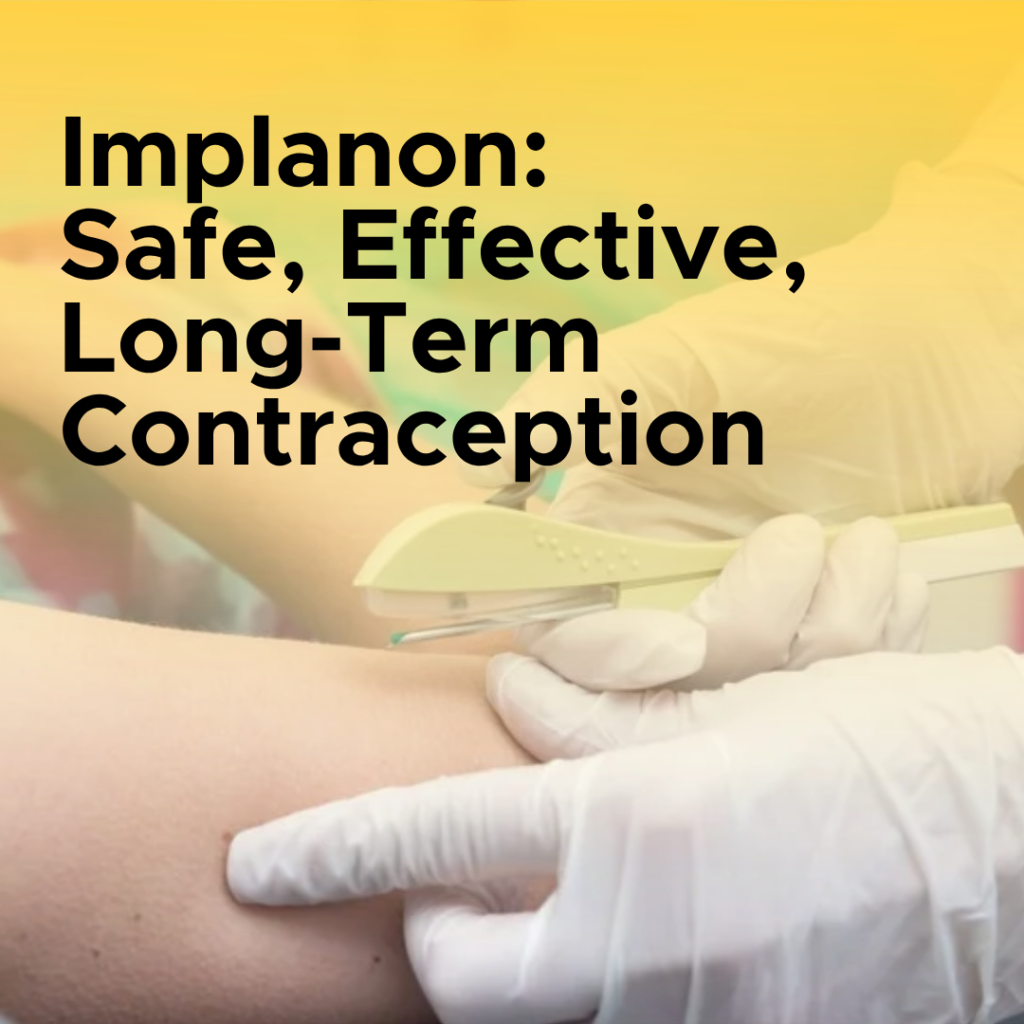
Implanon (now often Implanon NXT) is a highly effective (> 99%), long-acting reversible contraceptive, consisting of a small, flexible rod inserted under the skin of the upper arm. It releases progestin to prevent pregnancy for up to 3 years by stopping ovulation and thickening cervical mucus. It is inserted/removed by a doctor.
It is widely recognised as one of the most effective forms of contraception, with a success rate of over 99% (World Health Organization, 2023).
According to the Ministry of Health Malaysia, modern contraceptive methods, including implants, play an important role in family planning by helping individuals and couples plan pregnancies safely and effectively (Ministry of Health Malaysia, 2018).
If you’re searching for reliable information about this contraceptive implant, you’ve come to the right place. This comprehensive guide will walk you through everything you need to know about Implanon—from what it is and how it works, to its effectiveness, side effects, and answers to frequently asked questions. Whether you’re considering Implanon for the first time or simply want to learn more about your birth control options, this article will provide the detailed information you need to make an informed decision.
What is Implanon?
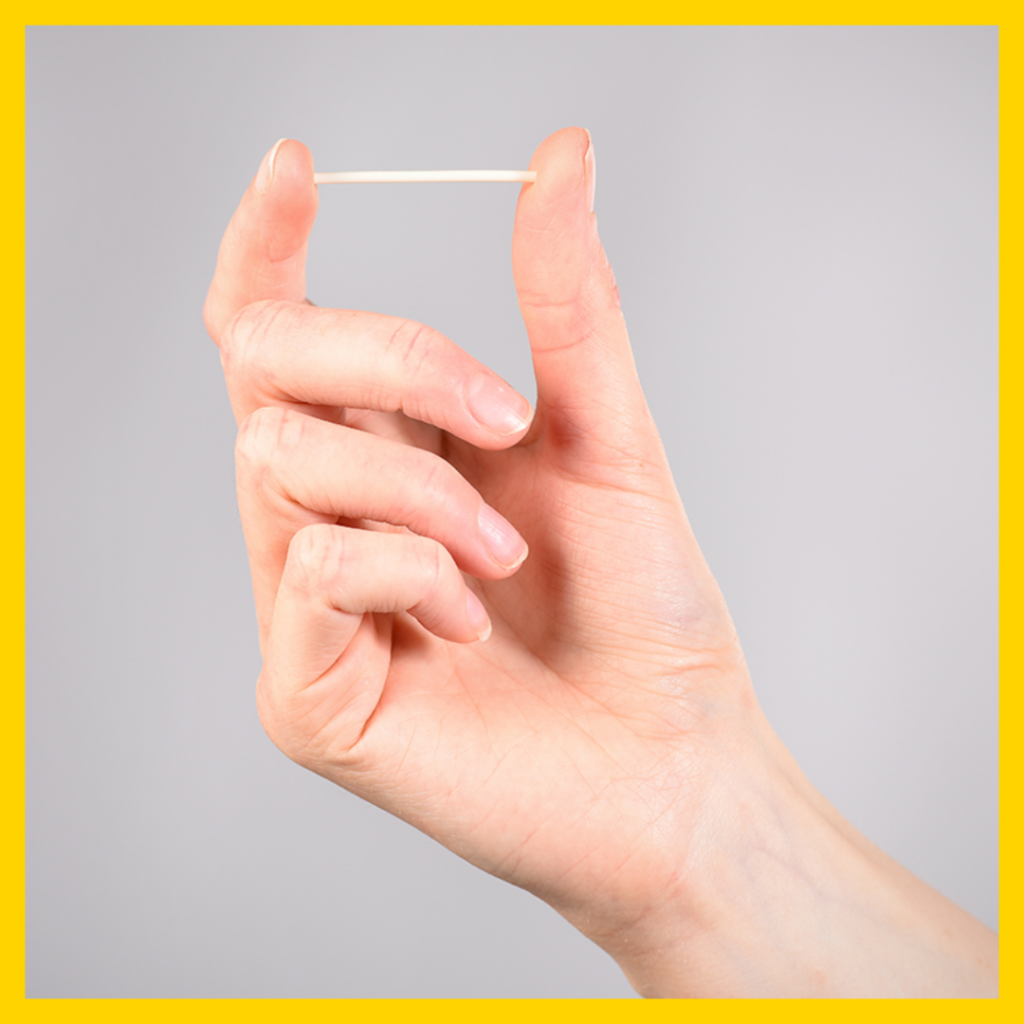
Implanon is a single-rod contraceptive implant that is placed just beneath the skin of a woman’s upper arm. It contains etonogestrel, a synthetic hormone similar to progesterone, which is released slowly into the body over time.
The implant is about the size of a matchstick and remains effective for up to three years before it needs to be removed or replaced.
According to the Ministry of Health Malaysia and international reproductive health guidelines, contraceptive implants are safe, reversible, and appropriate for most women, including those who are unable to use estrogen-containing contraceptives.
Physical Characteristics
The Implanon rod is 40 mm long and 2 mm in diameter—roughly the size of a matchstick . It’s made from a flexible plastic material called ethylene vinyl acetate (EVA) that contains 68 mg of etonogestrel . The rod is non-biodegradable, meaning it doesn’t dissolve in the body and must be removed after its effective period .
How Does Implanon Work?
Understanding how Implanon prevents pregnancy helps explain why it’s so effective. The implant works through three primary mechanisms :
- Ovulation Inhibition
The primary mechanism of action is preventing ovulation. The continuous release of etonogestrel suppresses the body’s natural hormonal surge that triggers an ovary to release an egg. On average, the rod releases about 40 μg of etonogestrel daily . Without an egg available for fertilization, pregnancy cannot occur.
- Cervical Mucus Thickening
The hormone causes the cervical mucus to become thick and sticky, creating a physical barrier that makes it difficult for sperm to travel through the cervix and reach the uterus . Think of it as creating a protective plug that sperm cannot penetrate.
- Endometrial Changes
Implanon also alters the lining of the uterus (the endometrium), making it less receptive to implantation should an egg happen to be fertilized . While this is considered a secondary mechanism, it provides an additional layer of protection.
These three mechanisms working together create a highly effective contraceptive barrier that provides continuous protection without requiring any daily action on your part.
According to the World Health Organization and supported by Ministry of Health Malaysia guidelines, these combined effects make contraceptive implants one of the most reliable hormonal contraceptive methods available today.
How Effective Is Implanon?
When discussing birth control effectiveness, healthcare providers typically refer to “perfect use” (using the method exactly as intended) versus “typical use” (accounting for human error). This is where Implanon truly shines.
Exceptional Effectiveness Rates
Implanon is more than 99% effective, making it one of the most reliable contraceptive options available. Its effectiveness does not depend on daily compliance, unlike oral contraceptive pills (World Health Organization, 2023).
This means that fewer than 1 woman out of 100 who use Implanon will become pregnant over a year of use. In fact, clinical trials have demonstrated remarkable results—one systematic review covering nearly 27,000 women-months of follow-up found zero pregnancies among Implanon users .
To put this in perspective, here’s how Implanon compares to other common contraceptive methods:
- Typical use of birth control pills: 91% effective (9 pregnancies per 100 women per year)
- Male condoms: 85% effective (15 pregnancies per 100 women per year)
- Implanon: 99.95% effective (less than 1 pregnancy per 100 women per year)
Real-World Considerations
While clinical trial data shows exceptional effectiveness, real-world data provides additional context. A large Australian post-marketing study that followed over 200,000 implant insertions found a failure rate of approximately 1 in 1,000 insertions . Importantly, many of these failures were attributed to:
- Failure to insert the implant (the device was never actually placed)
- Pre-existing pregnancy at the time of insertion
- Drug interactions that reduced effectiveness
- Incorrect timing of insertion
When the implant is correctly inserted and you’re not taking medications that interfere with it, the effectiveness remains extremely high.
According to the Ministry of Health Malaysia, long-acting contraceptive methods have significantly lower failure rates compared to short-term methods due to reduced human error and consistent hormone delivery.

Does Body Weight Affect Effectiveness?
There is some evidence that Implanon may become less effective in overweight women over time, particularly in those with a higher body mass index (BMI) . This is especially true when other factors are present that decrease hormone concentrations, such as taking certain medications. If you’re overweight, your healthcare provider may advise replacing the implant earlier than the standard three years or monitoring its effectiveness more closely .
When Does It Start Working?
The time it takes for Implanon to become effective depends entirely on when during your menstrual cycle it is inserted .
Optimal Insertion Timing
If Implanon is inserted according to the recommended schedule, it provides immediate protection and no backup contraception is needed:
- Between Day 1 and Day 5 of your menstrual cycle: If inserted during this window (counting the first day of your period as Day 1), you are protected from pregnancy right away .
When You Need Backup Birth Control
If the implant is inserted at any other time in your cycle, or if you’re switching from a different contraceptive method with non-standard timing, you’ll need to use a barrier method (like condoms) for 7 days after insertion .
Special Circumstances
- After childbirth (not breastfeeding): Insert between 21-28 days postpartum
- While breastfeeding: Wait until after the fourth postpartum week to insert
- After first-trimester abortion/miscarriage: Insert within 5 days
- After second-trimester abortion/miscarriage: Insert between 21-28 days
In all these cases, following the recommended timing ensures immediate protection. Your healthcare provider will always confirm you’re not pregnant before insertion .
According to the Ministry of Health Malaysia and WHO guidelines, correct timing of insertion is important to ensure immediate contraceptive protection.
How Do I Use Implanon?
One of the biggest advantages of Implanon is that there’s nothing for you to do on a daily, weekly, or monthly basis . Unlike pills that need to be taken at the same time every day, Implanon is truly “set it and forget it.” However, understanding the insertion and removal process helps set realistic expectations.
According to the Ministry of Health Malaysia, minor medical procedures such as contraceptive implant insertion must be performed by qualified healthcare providers to ensure safety, proper placement, and effectiveness.
The Insertion Procedure
Implanon must be inserted by a trained healthcare provider during an in-office procedure . Here’s what typically happens:
- Preparation: You lie on an examination table with your non-dominant arm flexed and externally rotated (bent with your hand near your head) .
- Site identification: The provider identifies the insertion site on the inner side of your upper arm, about 8-10 cm (3-4 inches) above the elbow. They avoid the groove between muscles where large blood vessels and nerves are located .
- Anesthesia: The area is numbed with a local anesthetic (like lidocaine) .
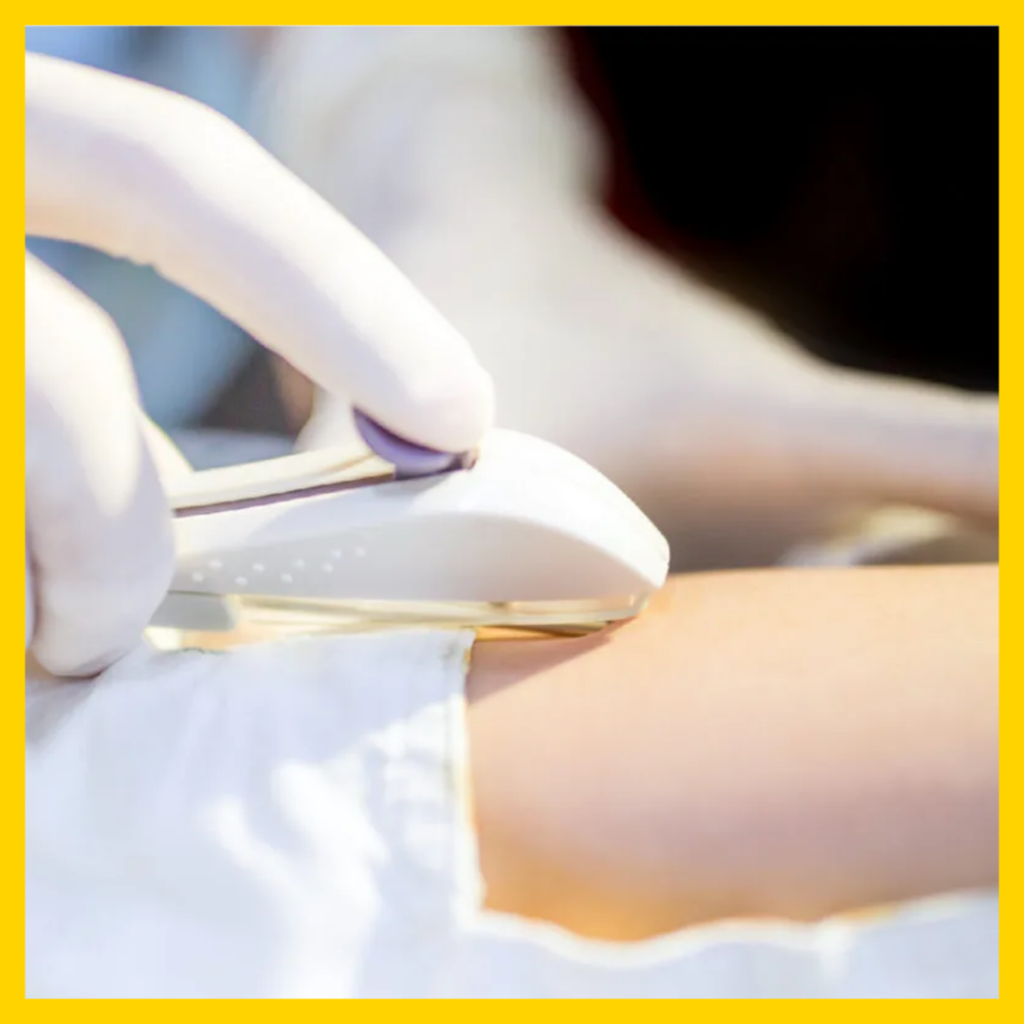
- Insertion: Using a special pre-loaded applicator, the provider inserts the implant just under your skin. The procedure is designed to place the implant superficially so both you and your provider can feel it afterward .
- Confirmation: Both parties should be able to feel the implant under the skin to confirm correct placement .
- Bandaging: The insertion site is covered with two bandages—a pressure bandage and a smaller waterproof dressing .
The entire procedure is quick, typically taking only a few minutes .
After Insertion Care
- Remove the pressure bandage the evening of insertion .
- Keep the smaller dressing clean and dry for 3-5 days .
- You can shower on the day of insertion, but keep the area dry as directed .
- You can return to work and normal activities immediately .
- Resume arm exercises after initial discomfort and bruising resolve .
Removal and Replacement
The implant must be removed by the end of the third year . The removal process:
- Is performed in the office under local anesthesia
- Involves a small incision to remove the implant
- Takes less time than insertion
- Leaves a small scar
If you want to continue contraception, a new implant can be inserted immediately at the time of removal . If you have the implant removed and don’t start a new contraceptive method, your fertility returns quickly—94% of women ovulate within 3 months, most within 3 weeks .
Important: Never try to remove the implant yourself .
According to the Ministry of Health Malaysia, contraceptive implants are fully reversible, and normal fertility resumes soon after removal.
What Stops Implanon from Working?
While Implanon is highly reliable, certain factors can reduce its effectiveness. Understanding these helps you take appropriate precautions.
Drug Interactions
Several medications can interfere with Implanon by inducing (speeding up) liver enzymes that metabolize hormones, potentially reducing etonogestrel levels in your body . These include :
Anticonvulsants/Seizure Medications:
- Carbamazepine
- Phenytoin
- Phenobarbital
- Primidone
- Felbamate
- Oxcarbazepine
- Topiramate
Antibiotics/Antifungals:
- Griseofulvin
- Rifampicin
- Rifabutin
HIV Medications:
- Certain protease inhibitors
- Non-nucleoside reverse transcriptase inhibitors
Other Medications:
- Aprepitant (used for nausea)
- Bosentan (for pulmonary hypertension)
- Modafinil (for sleep disorders)
- St. John’s Wort (herbal supplement)
- Certain medications for hepatitis C

If you’re prescribed any of these medications, you may need to use additional barrier contraception during treatment and for up to 28 days after stopping . Always tell your healthcare provider about all medications and supplements you’re taking.
According to the Ministry of Health Malaysia, patients should inform their healthcare provider about all medications and supplements before choosing a contraceptive method.
Insertion Issues
The most common reason for contraceptive failure in real-world studies was failure to actually insert the implant . This is why:
- The provider should confirm they can feel the implant after insertion
- You should also be able to feel it
- If you can’t feel it, use backup birth control and see your provider immediately
Timing Errors
If the implant is inserted at the wrong time in your cycle, you may not be immediately protected. Following the timing guidelines discussed earlier is crucial .
Expulsion or Migration
Rarely, the implant may move from its original position due to incorrect insertion or external forces (like manipulation or contact sports) . In extremely rare cases, migration to the chest wall or pulmonary artery has been reported . If you can’t feel your implant or notice it has moved, contact your provider.
What Are the Advantages of Implanon?
Implanon offers numerous benefits that make it an attractive choice for many women :
Convenience and Compliance
- No daily action required—unlike pills that must be taken at the same time every day
- Long-lasting protection—effective for three full years
- Private—no one else needs to know you’re using birth control
- Does not interfere with spontaneity—nothing to insert or apply before sex
Exceptional Effectiveness
- One of the most reliable methods available—more effective than pills, patches, or rings
- Not user-dependent—effectiveness doesn’t rely on perfect daily use
Health Benefits
- Can be used by women who cannot take estrogen
- Safe during breastfeeding—does not affect breast milk production or quality
- No effect on bone mineral density
- May improve painful periods (dysmenorrhea)—85% of women in one study reported improvement
- May help with heavy menstrual bleeding
- May reduce menstrual cramps
Fertility and Recovery
- Rapid return to fertility after removal—no delay in trying to conceive
- Reversible—once removed, your natural fertility quickly returns
Additional Advantages
- Quick insertion and removal compared to multi-rod implants
- Cost-effective over time compared to monthly methods
- Does not contain estrogen, avoiding estrogen-related side effects for some women
According to the Ministry of Health Malaysia, contraceptive implants are especially beneficial for women seeking a reliable, low-maintenance, and reversible method of birth control.
What Are the Disadvantages of Implanon?
Like any medical treatment, Implanon has drawbacks that should be considered :
Menstrual Changes
This is the most common reason women discontinue Implanon . Your periods may become:
- Unpredictable and irregular
- Absent (no periods)—reported in about 1 in 5 women
- Frequent (more than 5 bleeding episodes in 3 months)—reported in about 1 in 5 women
- Prolonged (lasting longer than 14 days)
- Infrequent (fewer than 3 bleeding episodes in 3 months)
- Occasionally heavy
The bleeding pattern during the first three months generally indicates your future pattern . While these changes don’t mean the implant isn’t working, they can be bothersome.
Procedure-Related Issues
- Requires a trained healthcare provider for both insertion and removal
- Leaves a small scar
- Rare insertion/removal complications including pain, bleeding, hematoma, infection, or nerve damage
- Deep insertion can make removal difficult or require surgery
Side Effects
Beyond menstrual changes, other side effects occur in some women :
- Headache (most common non-menstrual side effect)
- Weight gain
- Acne (may improve in some, worsen in others)
- Breast pain
- Mood changes, depression
- Decreased libido
- Abdominal pain
- Dizziness
- Hair loss (alopecia) in some women
According to the Ministry of Health Malaysia, proper counselling on potential side effects is important to help patients make informed decisions and improve satisfaction with the chosen contraceptive method.
No STI Protection
Like all hormonal contraceptives, Implanon does not protect against sexually transmitted infections, including HIV/AIDS . Condoms are still needed for STI protection.
Visible and Palpable
Some women may be uncomfortable with being able to feel the implant under their skin, or concerned about it being visible.
According to the Ministry of Health Malaysia, dual protection (contraception and STI prevention) is recommended for individuals at risk.
Requires a Medical Visit
Unlike pills you can get at a pharmacy, Implanon requires scheduling and paying for a medical appointment for both insertion and removal.
What Are the Side Effects of Implanon?
Understanding potential side effects helps you make an informed decision and know what to expect. Side effects are categorized by how commonly they occur .
Very Common (affecting more than 10% of users)
| Side Effect | Approximate Frequency |
|---|---|
|
Menstrual bleeding irregularities |
37% |
|
Headache |
24.9% |
|
Acne |
14.8% |
|
Vaginitis (vaginal inflammation/infection) |
14.5% |
|
Weight gain |
13.7% |
|
Breast pain |
12.8% |
|
Abdominal pain |
10.9% |
|
Pharyngitis (sore throat) |
10.5% |
Common (affecting 1-10% of users)
- Emotional lability (mood swings)
- Depression
- Nervousness
- Decreased libido
- Dizziness
- Nausea
- Flatulence
- Back pain
- Insertion site pain or reaction (bruising, irritation)
- Leukorrhea (vaginal discharge)
- Dysmenorrhea (painful periods)
Uncommon (affecting 0.1-1% of users)
- Migraine
- Somnolence (drowsiness)
- Anxiety
- Insomnia
- Alopecia (hair loss)
- Hypertrichosis (excessive hair growth)
- Pruritus (itching)
- Rash
- Urinary tract infection
- Galactorrhea (breast milk production not related to breastfeeding)
- Breast enlargement
- Arthralgia (joint pain)
- Myalgia (muscle pain)
- Edema (fluid retention)
Serious Side Effects (Require Immediate Medical Attention)
While rare, certain side effects require emergency care :
Signs of blood clot (thrombosis):
- Sudden vision loss
- Stabbing chest pain
- Shortness of breath
- Coughing up blood
- Pain or warmth in one leg
- Severe headache
- Slurred speech
- Sudden numbness or weakness (especially on one side)
Signs of allergic reaction:
- Hives
- Difficulty breathing
- Swelling of face, lips, tongue, or throat
Other serious concerns:
- Signs of stroke
- Heart attack symptoms (chest pressure, pain spreading to jaw/shoulder)
- Jaundice (yellowing skin or eyes)
- Breast lump
- Severe pelvic pain (possible ectopic pregnancy)
Ectopic Pregnancy Risk
If you become pregnant while using Implanon, there is an increased risk of ectopic pregnancy (pregnancy outside the uterus) . Symptoms include severe pelvic pain, especially on one side. This requires immediate medical attention.
Conclusion
Implanon represents a remarkable advancement in contraceptive technology, offering women one of the most effective, convenient, and reversible birth control methods available. With over 99% effectiveness, three years of continuous protection, and no daily attention required, it eliminates many of the common barriers to consistent contraceptive use.
The key to satisfaction with Implanon lies in understanding both its benefits and its limitations. The most significant trade-off is the potential for unpredictable menstrual bleeding—while not harmful, this side effect leads some women to discontinue use. On the other hand, for women who want “set it and forget it” contraception, who cannot use estrogen-containing methods, or who want rapid return to fertility when they’re ready to conceive, Implanon offers compelling advantages.
Important considerations to remember:
- Verify you can feel the implant after insertion
- Be aware of medications that can interfere with effectiveness
- Use condoms for STI protection
- Contact your provider if you experience severe pain or can’t feel your implant
- Have it removed by the end of the third year
Every woman’s body and preferences are unique. What works wonderfully for one person may not be ideal for another. The best contraceptive choice is one that fits your health profile, lifestyle, and personal comfort level. Discussing your options with a healthcare provider who knows your medical history will help you determine whether Implanon is the right choice for you.
Book Your Implanon Consultation Today
If you are considering Implanon as your contraceptive option, our qualified healthcare professionals are here to guide you every step of the way.
At Sonobee, we provide:
✔ Professional consultation
✔ Safe and comfortable insertion procedure
✔ Personalised advice based on your health needs
✔ Follow-up support after insertion
👉 Book your appointment today and take control of your reproductive health with a safe and reliable solution.
10 Frequently Asked Questions About Implanon
1. Can I feel the implant under my skin?
Yes, you should be able to feel it. After insertion, both you and your healthcare provider should be able to gently press on the area and feel the small rod under the skin . This confirms correct placement. If you suddenly cannot feel it anymore, use backup birth control and contact your provider .
2. Will Implanon make me gain weight?
Weight gain is possible but not guaranteed. In clinical trials, weight increase was reported in 13.7% of women . However, some studies have not shown a clear association between the implant and weight gain . Individual responses vary.
3. Can I get pregnant immediately after removal?
Yes, fertility returns quickly. Most women ovulate within 3 weeks of removal, and 94% ovulate within 3 months . There is no delay in trying to conceive—you can attempt pregnancy right away.
4. Will Implanon affect my sex drive?
It might, but this varies. Some women report decreased libido (classified as a common side effect affecting 1-10% of users) . However, others find that reliable contraception and freedom from worrying about pregnancy actually improves their sexual satisfaction.
5. Does Implanon cause acne?
It can, but results are mixed. Acne is reported as a very common side effect (14.8%) . However, studies show variable effects: in one study of women with acne at baseline, 16% improved, 70% had no change, and 14% worsened . Among women without baseline acne, 16% developed it.
6. What happens to my periods on Implanon?
They will likely change, but how varies widely. You might experience:
- No periods at all (about 20% of women)
- Infrequent bleeding
- Frequent or prolonged bleeding
- Regular periods (less common)
The pattern during the first 3 months generally predicts your future pattern .
7. Can I use Implanon while breastfeeding?
Yes, but timing matters. Implanon should not be inserted until after the fourth postpartum week . Studies have shown it does not affect breast milk production or quality . It’s considered safe for breastfeeding women .
8. What should I do if I can't feel my implant?
Use backup birth control immediately and contact your healthcare provider . They will need to locate the implant, possibly using ultrasound or X-ray (especially with newer versions that are radiopaque) to confirm its position.
9. Does Implanon protect against sexually transmitted infections?
No, it does not. Implanon provides no protection against STIs, including HIV/AIDS . You still need to use condoms to protect against STIs.
10. Is there an age limit for using Implanon?
It can be used from adolescence through menopause. Appropriate studies haven’t shown age-related problems in teenagers, though it shouldn’t be used before menstruation begins . It’s not indicated for postmenopausal women .
Disclaimer: This article is for informational purposes only and does not constitute medical advice. Always consult with a qualified healthcare provider about your birth control options and any medical concerns you may have.
References & Resources
Ministry of Health Malaysia (KKM). Clinical Practice Guidelines: Contraceptive Management
Lembaga Penduduk dan Pembangunan Keluarga Negara (LPPKN) Malaysia. Family Planning Programme
World Health Organization (WHO). Family Planning: A Global Handbook for Providers (2022)
World Health Organization (WHO). Medical Eligibility Criteria for Contraceptive Use (2022)