Safe, Gentle & Effective Treatment for Newborn Jaundice
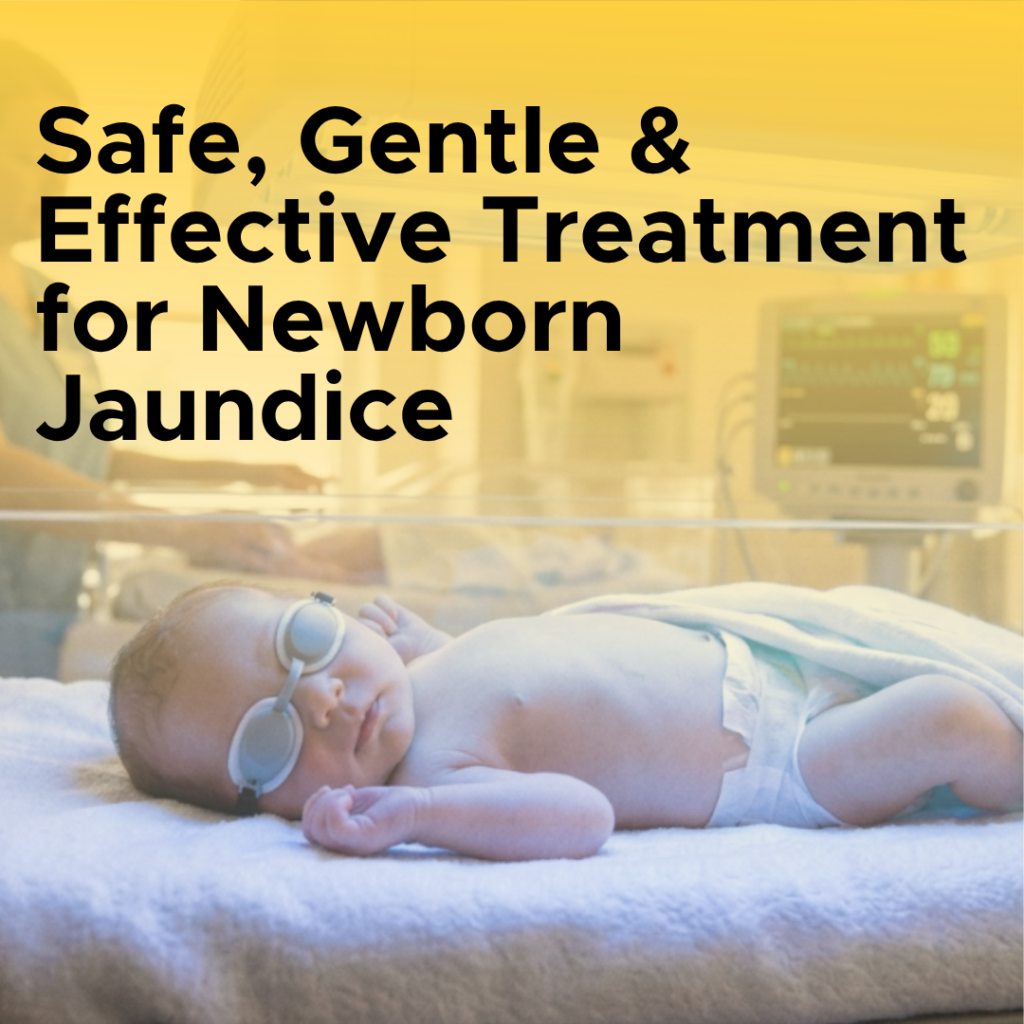
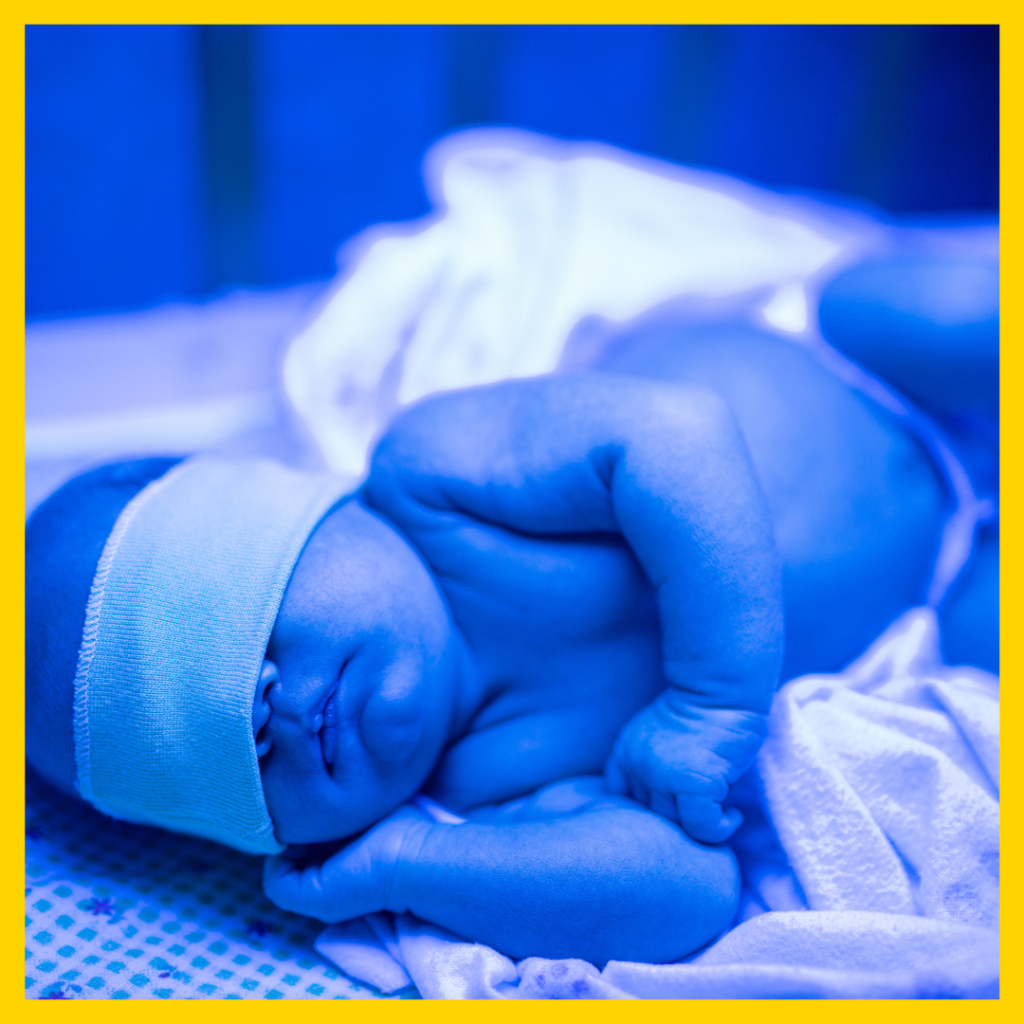
Neonatal phototherapy for jaundice is a widely used medical treatment that uses specific wavelengths of light to help break down bilirubin—the chemical responsible for causing a baby’s skin and the whites of the eyes to appear yellow. This treatment can be carried out either in a hospital setting under professional supervision or at home using a specialized phototherapy lamp. During the process, the baby’s eyes are carefully covered to protect the optic nerves from prolonged light exposure.
Phototherapy is the mainstay treatment for neonatal jaundice and works by transforming bilirubin into a form that can be excreted by the body, as recommended in clinical guidelines by Ministry of Health Malaysia and international health authorities. As a result, bilirubin levels in the baby’s blood gradually decrease, reducing the risk of complications and helping the baby return to a healthy condition.
For many parents, seeing their newborn placed under bright blue light can feel overwhelming and raise concerns about safety and comfort. It is completely natural to feel anxious or uncertain during this time. However, understanding how phototherapy works—and why it is recommended—can provide reassurance and peace of mind.
In reality, phototherapy is a safe, non-invasive, and highly effective treatment that has been used for decades to manage newborn jaundice. With proper monitoring and care, most babies respond well to treatment and recover quickly without long-term effects.
This article will guide you through everything you need to know about newborn jaundice and phototherapy—from causes and symptoms to treatment options, including the possibility of home-based care—so you can confidently support your baby’s recovery journey.
What is Newborn Jaundice?
Newborn jaundice, medically known as neonatal jaundice, is a condition where a baby’s skin and the whites of their eyes appear yellow. This happens due to a buildup of a substance called bilirubin in the blood.
Bilirubin is a yellow pigment produced when red blood cells break down naturally in the body. In adults and older children, the liver processes bilirubin and removes it through stool. However, newborns have immature livers that are not yet fully efficient at handling this process.
In addition, newborn babies:
- Have a higher number of red blood cells
- Experience faster breakdown of these cells
- Have a liver that is still developing
Because of these factors, bilirubin can accumulate in the body, leading to jaundice.
In most cases, this is completely normal and is known as physiological jaundice. It usually appears between the second and fourth day after birth and resolves on its own within one to two weeks. However, in some cases, bilirubin levels can rise too high and require medical treatment.
Signs and Symptoms of Jaundice
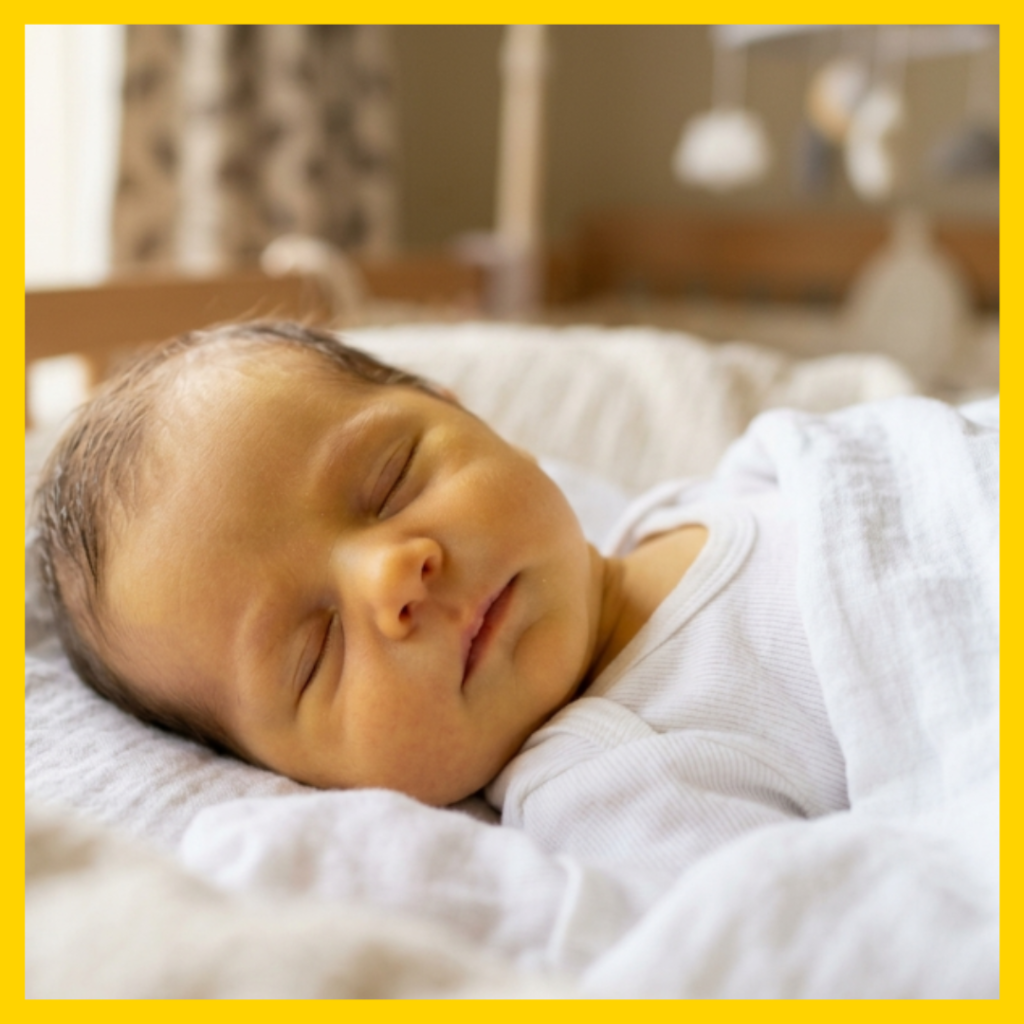
The most noticeable sign of jaundice is a yellowish tint to the baby’s skin and eyes. This typically starts at the face and gradually spreads down to the chest, abdomen, arms, and legs as bilirubin levels increase.
Other symptoms to watch for include:
- Yellowing of the palms and soles (a sign of more severe jaundice)
- Dark yellow or brown urine instead of pale yellow
- Pale or clay-colored stools
- Excessive sleepiness or difficulty waking
- Poor feeding or lack of interest in breastfeeding
- High-pitched or persistent crying
Treatment should be started when bilirubin levels reach specific thresholds based on the baby’s age and risk factors, according to Ministry of Health Malaysia clinical guidelines.
Simple Home Check
A quick way to check for jaundice at home is by gently pressing your baby’s forehead or nose. If the skin appears yellow when you release the pressure, it may indicate jaundice. Always check under natural lighting for better accuracy.
What Causes Jaundice in Babies?
Jaundice can develop for several reasons, and understanding the cause helps determine the right treatment approach.
Physiological Jaundice (Normal)
This is the most common type and occurs due to the baby’s immature liver. It is harmless and temporary.
Breastfeeding Jaundice
This happens when a baby is not getting enough breast milk, often due to improper latch or low milk supply. Reduced feeding leads to dehydration and slower bilirubin elimination.
Breast Milk Jaundice
A less common condition caused by certain substances in breast milk that may slow bilirubin breakdown. It is usually harmless and resolves over time.
Blood Group Incompatibility
If the mother and baby have incompatible blood types (such as Rh incompatibility), the baby’s red blood cells may break down more rapidly, increasing bilirubin levels.
Pathological Jaundice
This is caused by underlying medical issues such as infections, liver disorders, enzyme deficiencies, or internal bleeding. This type requires immediate medical attention.
How Can Jaundice Be Prevented?
While not all cases can be prevented, there are several proactive steps parents can take to reduce the risk or severity:
- Frequent Breastfeeding
Feeding your baby 8–12 times a day helps promote regular bowel movements, which remove bilirubin from the body.
- Proper Latching Technique
Ensuring your baby latches correctly improves milk intake and prevents dehydration.
- Monitor Output
Healthy newborns should have several wet diapers and regular bowel movements daily.
- Safe Sunlight Exposure
Short exposure to early morning sunlight may help reduce bilirubin levels, but it should never replace medical treatment.
- Prenatal Screening
Regular check-ups during pregnancy can help detect potential risk factors such as blood incompatibility.
What is Phototherapy Treatment?
When bilirubin levels become too high, doctors may recommend phototherapy, a safe and effective treatment that uses light to break down bilirubin in the baby’s skin.
Phototherapy works by exposing the baby to a special blue-green light. This light changes bilirubin into a form that can be easily removed from the body through urine and stool—without needing full liver processing.
Types of Phototherapy
- Conventional Phototherapy
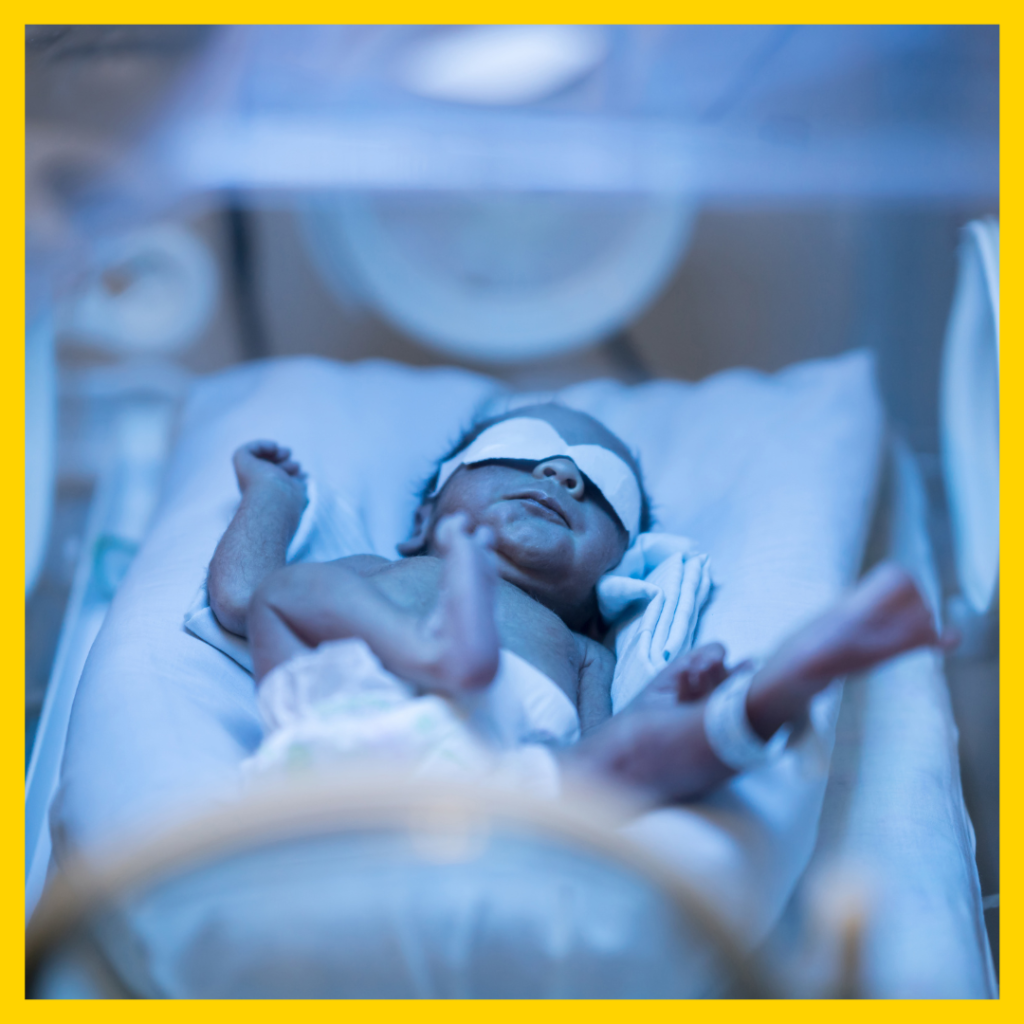
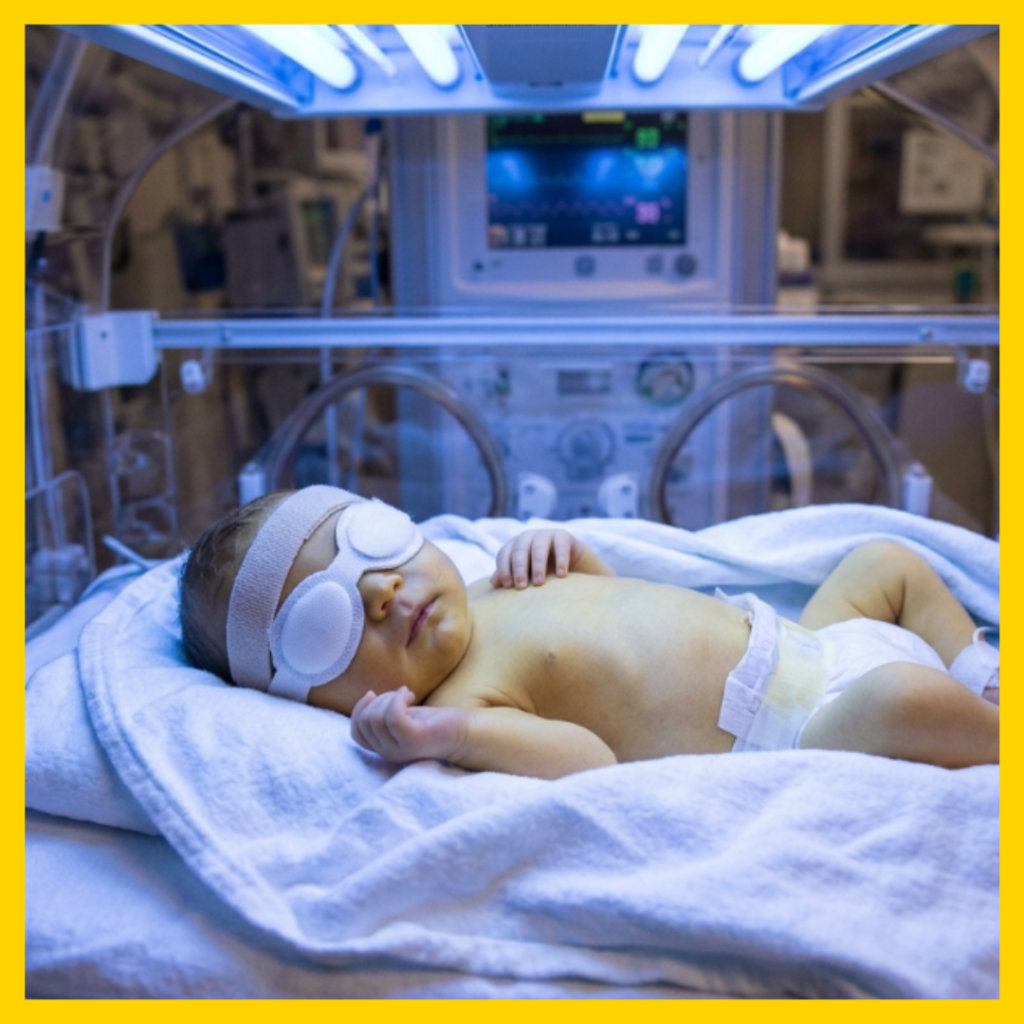
The baby is placed under a phototherapy lamp in a bassinet or incubator. The baby wears protective eye covers, and most of the body is exposed to the light.
- Fiberoptic Phototherapy (Biliblanket)
This method uses a soft, light-emitting blanket wrapped around the baby. It allows parents to hold and feed the baby while treatment continues.
- Combination Phototherapy
For higher bilirubin levels, doctors may use both overhead lights and a biliblanket to speed up the treatment process.
Important: Distance Between Lamp and Baby
The effectiveness and safety of phototherapy depend on the correct distance between the light and the baby.
- Standard distance: 30–50 cm
- Too far: reduces effectiveness
- Too close: risk of overheating
This setup is carefully monitored by healthcare professionals, and parents should not adjust it themselves.
Direct sunlight is not recommended as a treatment due to inconsistent exposure and safety risks, and medical phototherapy remains the standard of care according to international guidelines such as National Institute for Health and Care Excellence and World Health Organization.
Are There Any Side Effects?
Phototherapy is generally very safe, but some temporary side effects may occur:
- Increased fluid loss (risk of dehydration)
- Mild skin rash
- Loose or greenish stools
- Temporary skin darkening
- Rare “bronze baby syndrome”
- Emotional stress for parents
These effects are usually mild and resolve after treatment ends.
Phototherapy is widely recognised as a safe and effective treatment when properly monitored, with guidelines recommending regular monitoring of temperature, hydration, and bilirubin levels.
Home Phototherapy: A Growing Option
With advancements in healthcare, many parents now have the option to treat mild to moderate jaundice at home using rented phototherapy equipment.
Benefits of Home Treatment
- Comfortable and familiar environment
- Easier breastfeeding routine
- Reduced hospital visits
- Better bonding between baby and family
Things to Consider
- Must have doctor’s approval
- Regular bilirubin monitoring is required
- Choose a trusted provider
- Parents must be trained to use the equipment safely
Babies undergoing phototherapy should be closely monitored for bilirubin levels, hydration, and overall condition, as emphasised in clinical practice guidelines by Ministry of Health Malaysia.
Conclusion
Newborn jaundice is a common condition that most babies experience to some degree. While it can be worrying for parents, it is usually harmless and highly treatable.
Phototherapy remains one of the most effective and widely used treatments, helping babies recover quickly and safely. Whether performed in a hospital or at home, the key is proper monitoring and following medical advice.
As a parent, your role is crucial—by understanding the condition, recognizing the symptoms, and ensuring your baby receives the right care, you are already taking the best possible steps toward their recovery.
With the right support and knowledge, your baby will soon return to their healthy, happy self.
This guide is aligned with recommendations from Ministry of Health Malaysia, and World Health Organization to ensure accurate and trusted medical information for parents.
Give Your Baby the Care They Need Today
Don’t wait for jaundice levels to rise before taking action. Early phototherapy treatment can help reduce bilirubin safely and effectively—supporting your baby’s recovery when it matters most.
At Sonobee Ultrasound, we provide safe, reliable, and parent-friendly home phototherapy services designed for your comfort and peace of mind. Whether your baby requires early intervention or continued monitoring, our team is here to guide and support you every step of the way.
👉 Book your home phototherapy service with Sonobee today and give your baby a safe start towards recovery and well-being.
Frequently Asked Questions (FAQ)
1. How long does treatment take?
Usually between 24 to 96 hours, depending on bilirubin levels.
2. Is it painful?
No, phototherapy is completely painless.
3. Can I breastfeed during treatment?
Yes, breastfeeding is highly encouraged.
4. Can I use a normal blue light at home?
No, only medical-grade phototherapy devices are safe and effective.
5. What happens if jaundice is untreated?
Severe cases can lead to kernicterus, a serious form of brain damage.
Disclaimer: The information provided in this article is for educational purposes only and does not constitute medical advice; please consult a qualified healthcare professional for any medical concerns or before undergoing any radiological procedure.