The Final Countdown
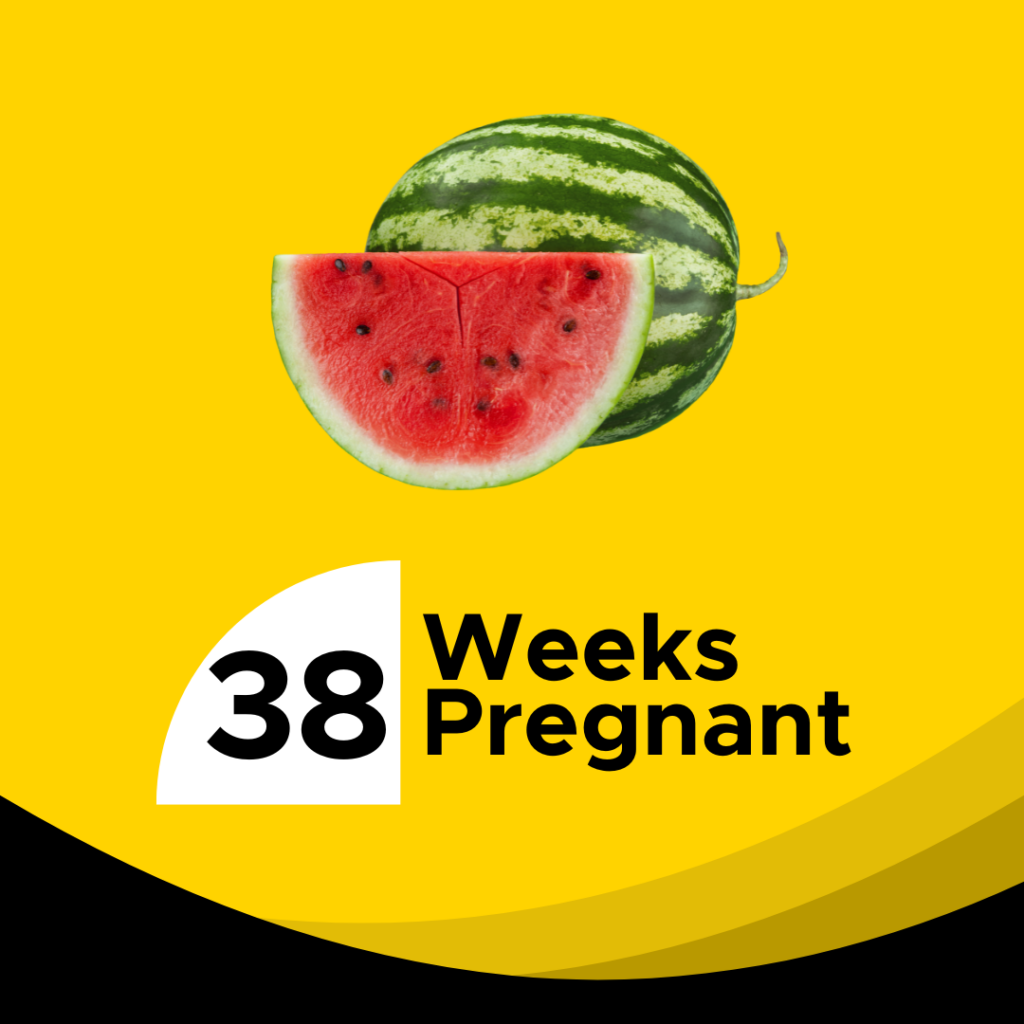
At 38 weeks pregnant, you are officially considered full-term. Your baby has nearly completed its development and is now focusing on gaining those final layers of fat and maturing its vital organs in preparation for life outside the womb. Meanwhile, your body is signaling that the big day is approaching. You may feel increased pelvic pressure, more frequent Braxton Hicks contractions, and notice signs like increased vaginal discharge or the loss of the mucus plug—a “bloody show.” While these are clear indicators that labor is on the horizon, remember it could still be days or even weeks away.
Now is the critical time to monitor your baby’s movements closely, pack your hospital bag, and finalize your birth plans. Always contact your doctor immediately for any severe symptoms, such as significant bleeding or a noticeable decrease in fetal movement.
This guide blends verified KKM recommendations, symptom management tips, baby development facts, and practical steps for Malaysian mothers. You’ll also learn when to book your ultrasound and how tools like Sonobee Ultrasound and the Flabee Care App make your antenatal care easier.
What Does It Mean to Be 38 Weeks Pregnant?
Medically, reaching 38 weeks of pregnancy signifies that your baby is fully developed and ready for life outside the womb. You are in the ninth month and the final phase of the third trimester. The American College of Obstetricians and Gynecologists defines “full-term” as beginning at 39 weeks, but 38 weeks is considered early term. Babies born at this stage typically do extremely well with minimal intervention, as their lungs are mature and major organ systems are ready.
Your body is undergoing profound changes. The hormone relaxin is loosening your joints and ligaments further to prepare your pelvis for birth. You may feel increased pressure as your baby “drops” or engages into your pelvis—a process called lightening. This can make breathing easier but walking more of a waddle. Your cervix may also begin to soften, efface (thin out), and dilate in the weeks, days, or hours before labor begins. Every ache, twinge, and new sensation can feel significant, and it’s important to know what’s normal and what warrants a call to your provider.

How Big Is Your Baby at 38 Weeks?
At 38 weeks of gestation, the fetus typically measures approximately 49–51 cm from crown to heel and weighs around 2.9–3.2 kg (about 6.5–7.0 pounds). These measurements align with established Hadlock fetal biometry charts and INTERGROWTH-21st international fetal growth standards, interpreted in accordance with ISUOG and ACOG ultrasound guidelines.
Fascinating Fetal Development at 38 Weeks:
- Lanugo is Gone:Most of the fine, downy hair that covered your baby’s body for warmth has now shed.
- Vernix Caseosa:The white, cheesy protective coating is also diminishing, though some may remain at birth.
- Brain & Nervous System:Rapid brain development continues, with neural connections forming at an incredible rate. Your baby’s grasp reflex is strong.
- Organ Maturity:The lungs are producing surfactant, which prevents the air sacs from sticking together, making breathing easier after birth. The digestive system is ready to process breast milk or formula.
- Fingernails & Toenails:They have grown to the tips of the fingers and toes and may even need a trim soon after birth.
- Positioning:Most babies have settled into a head-down (cephalic) position by now, getting ready for their grand exit.
What to Expect: Common Symptoms at 38 Weeks Pregnant
The final weeks are characterized by intense physical sensations as your body makes its final adjustments.
- Increased Pelvic Pressure & “Lightning Crotch”:As the baby’s head engages in the pelvis, you may feel sharp, shooting pains in your cervix and vagina due to nerve pressure.
- Braxton Hicks Contractions:These “practice” contractions become more frequent and intense. They help tone the uterine muscle and promote cervical ripening.
- Nesting Instinct:A sudden surge of energy and an overwhelming urge to clean, organize, and prepare your home is common.
- Cervical Changes:You might lose your mucus plug (a thick, gelatinous discharge that may be tinged with blood—”bloody show”) as the cervix begins to dilate.
- Swelling (Edema):Mild swelling in the feet and ankles is normal due to increased blood volume and pressure from the uterus. However, sudden severe swelling, especially in the hands and face, can be a sign of preeclampsia and requires immediate medical attention.
- Insomnia & Fatigue:Discomfort, anxiety, and frequent bathroom trips make solid sleep elusive.
- Increased Vaginal Discharge:Thin, milky, or leukorrhea-like discharge is normal.
- Backache & Sciatica:The weight of your baby and shifting center of gravity put strain on your back and can compress the sciatic nerve.
These symptoms are commonly observed during the third trimester and are consistent with Ministry of Health Malaysia (KKM) antenatal care guidelines recommendations.
Real vs. False Labor: How to Describe a Real Contraction at 38 Weeks
This is one of the most critical distinctions to make as you near your due date. Here’s a detailed comparison to help you tell the difference:
Braxton Hicks Contractions (False Labor):
- Timing:Irregular and unpredictable. They do not fall into a consistent pattern.
- Duration:Typically short (30 seconds to 2 minutes) and variable.
- Intensity:Usually mild and felt in the front of the abdomen. They do not intensify over time.
- Effect of Movement:Often stop or ease if you change position, walk, rest, or hydrate.
- Location:Felt primarily in the abdomen or groin.
True Labor Contractions:
- Timing:Regular and predictable. They follow a pattern that gets progressively closer together (e.g., every 10 minutes, then every 7, then every 5).
- Duration:Get longer as labor progresses (starting at 30-45 seconds and building to 60-90 seconds).
- Intensity:Grow stronger and more painful with each wave. They often start in the back and radiate to the front.
- Effect of Movement:Continue and intensify regardless of what you do. Changing positions or resting does not make them go away.
- Location:Often start as a dull backache or menstrual-like cramping, building into a powerful, wrapping sensation around the entire abdomen.
The 5-1-1 Rule: A common guideline is to call your healthcare provider or head to the hospital/birth center when contractions are 5 minutes apart, lasting 1 minute each, for at least 1 hour. Always follow the specific instructions given by your own provider.
This guidance is aligned with Ministry of Health Malaysia (KKM) antenatal and perinatal care recommendations, which emphasize early recognition of true labour signs, preterm labour symptoms, and prompt medical assessment to ensure maternal and fetal safety, as outlined in the Perinatal Care Manual.
Nutrition Focus: What Are Good Foods for 38 Weeks Pregnant?
Nutrition is key for your baby’s final growth spurt and your energy levels. During the third trimester, your baby undergoes rapid brain and body growth. To support this critical development, the Ministry of Health Malaysia (KKM) recommends focusing on a balanced, nutrient-dense diet that meets increased maternal and fetal needs.
- Complex Carbohydrates:Opt for whole grains (oats, quinoa, brown rice), sweet potatoes, and legumes for sustained energy. Fiber is also crucial to combat pregnancy constipation.
- Lean Proteins:Essential for tissue repair and growth. Include chicken, fish (low in mercury like salmon), eggs, tofu, lentils, and Greek yogurt.
- Healthy Fats:Support baby’s brain development. Avocados, nuts, seeds, and olive oil are excellent choices.
- Iron-Rich Foods:To prevent anemia and build blood reserves for delivery. Think spinach, lean red meat (in moderation), beans, and fortified cereals.
- Calcium & Vitamin D:For bone health. Prioritize dairy, fortified plant milks, leafy greens, and safe sun exposure.
- Hydration is Key:Drink plenty of water and electrolyte-rich fluids like coconut water. Proper hydration can help reduce swelling and prevent false labor contractions.
Foods to Limit: Avoid excessive sugar, refined carbs, and heavily processed foods, which can lead to energy crashes. Continue to avoid high-mercury fish, unpasteurized dairy/cheeses, and undercooked meats/eggs.

Optimal Fetal Position at 38 Weeks Pregnant
The ideal position for birth is cephalic presentation (head-down) with the baby facing your back. This is called the Occiput Anterior (OA) position. In this position, the smallest part of the baby’s head leads the way through the birth canal, making for a smoother labor. At 38 weeks of pregnancy, most babies have settled into their final birth position.
According to standard obstetric care practices (used in KKM hospitals), the best position for delivery is when the baby is,
- Breech Position:If your baby is bottom or feet first, your provider will discuss options, which may include an External Cephalic Version (ECV) to manually turn the baby or planning for a cesarean section.
- Posterior Position (“Sunny Side Up”):The baby is head-down but facing your abdomen. This can lead to longer, more painful back labor. Techniques like hands-and-knees positioning, pelvic tilts, and prenatal chiropractic care (Webster technique) may help encourage the baby to turn.
Is It Safe to Deliver at 38 Weeks?
Yes, delivery at 38 weeks is generally very safe. As mentioned, your baby is considered early term. The vast majority of babies born at 38 weeks are healthy and require no special care in the NICU. However, research shows that those final weeks (up to 39-40 weeks) are crucial for the final maturation of the brain and lungs. Therefore, unless there is a medical reason (like preeclampsia, gestational diabetes, or fetal growth issues), most healthcare providers will not induce labor or schedule a cesarean before 39 weeks without a clear indication. Always follow the guidance of your OB-GYN or midwife.
Your To-Do List: What Preparation Should You Do at 38 Weeks Pregnant?
At 38 weeks pregnant, KKM recommends an antenatal contact as part of its standard schedule — ensuring blood pressure, baby growth, fundal height and other essential monitoring continue regularly in the third trimester.
- Hospital/Birth Center Bag:Pack it now! Include essentials for you (comfy clothes, toiletries, nursing bras, going-home outfit), your partner (snacks, change of clothes), and the baby (car seat installed, going-home outfit in newborn and 0-3 month sizes).
- Finalize Your Birth Plan:Discuss your preferences for pain management, labor positions, and immediate postpartum care with your provider and support person. Keep it flexible.
- Install the Car Seat:Have it inspected by a certified technician to ensure it’s correctly installed.
- Postpartum Prep:Stock your freezer with easy meals. Set up a comfortable nursing/feeding station with water, snacks, and supplies. Gather postpartum recovery items (pads, peri bottle, comfortable underwear).
- Final Nursery Touches:Ensure the crib/bassinet is ready and essentials are washed and organized.
- Rest:Seriously, prioritize naps and relaxation. Your body needs to store energy for labor and recovery.

What to Avoid at 38 Weeks Pregnant
As your pregnancy progresses, being mindful of what to avoid is just as important as knowing what to do. Steering clear of the following helps protect both your health and your baby’s well-being, in line with KKM-recommended antenatal care practices.
- Ignoring Severe Symptoms:Sudden severe headache, vision changes, intense upper abdominal pain, or a significant decrease in fetal movement require an immediate call to your provider.
- Overexertion:Listen to your body. While light activity and walking are beneficial, now is not the time for intense workouts or heavy lifting.
- Unverified Natural Induction Methods:Avoid castor oil, which can cause severe diarrhea and dehydration. Be cautious with herbal supplements like evening primrose oil or black cohosh without direct approval from your healthcare provider.
- Long Trips:Stay within a reasonable distance from your hospital or birth center.
- Stress:Practice calming techniques like meditation, prenatal yoga, or breathing exercises to manage anxiety.
Embracing the Final Stretch
Reaching 38 weeks pregnant is a monumental achievement. You are in the home stretch, and while the physical discomfort is real, so is the incredible anticipation of meeting your baby. Use this time to finalize preparations, prioritize rest, and connect with your partner and support system. Trust your body, communicate openly with your healthcare team, and know that you are equipped for the journey ahead. The final chapter of your pregnancy is about to give way to the beautiful beginning of parenthood. You’ve got this.

Supporting Your Third Trimester with Digital Pregnancy Care
To complement regular antenatal visits recommended by Kementerian Kesihatan Malaysia (KKM), using reliable pregnancy tools can help you stay organised, informed, and confident throughout weeks 27–40.
Track Your Pregnancy Progress with Flabee Care
Keeping track of daily symptoms, baby movements, and personal notes is encouraged as part of pregnancy self-monitoring. With the Flabee Care app, expectant mothers can:
- Record daily baby movements (kick counts)
- Log symptoms, appointments, and reminders
- Keep personal pregnancy notes to share during antenatal visits
This simple habit helps mothers recognise what feels normal for their baby and supports more meaningful discussions with healthcare providers.
Book Your Recommended Scans with Sonobee Ultrasound
As advised under KKM antenatal care guidelines, ultrasounds play an important role in monitoring your baby’s growth and well-being during pregnancy. Through Sonobee Ultrasound, you can:
- Schedule recommended pregnancy scans conveniently
- Choose suitable appointment times
- Receive professional imaging support throughout your pregnancy
Early booking helps ensure timely assessments, especially as you approach the later weeks of pregnancy.
 Book your scan with Sonobee Utrasound to gain clearer insights into your baby’s development.
 Book Your Early Pregnancy Scan With Sonobee
Take the next step towards confident pregnancy care.
 Check your baby’s heartbeat Meet certified sonographers Comfortable & mother-friendly experience
Frequently Asked Questions (FAQ)
1. Is it normal to have no signs of labor at 38 weeks?
Absolutely. Every pregnancy is different. Some women experience weeks of pre-labor symptoms, while others have none until active labor begins.
2. What does losing the mucus plug look like?
It can be a glob of clear, pink, or slightly bloody jelly-like discharge. Losing it means cervical change is happening, but labor could still be days or even weeks away.
3. How can I naturally induce labor at home?
Safe, mild methods include walking, nipple stimulation, sex (semen contains prostaglandins that can soften the cervix), and eating dates. Always discuss methods with your provider first.
4. When should I go to the hospital?
Follow the 5-1-1 rule for contractions, or go immediately if your water breaks (especially if fluid is green or brown), you have heavy bleeding (like a period), or experience severe pain.
5. Can I still travel at 38 weeks?
Most airlines restrict travel after 36 weeks. It’s generally advised to stay close to home and your healthcare provider.
6. Is it safe to sleep on my back?
It’s best to avoid it. The weight of your uterus can compress the vena cava, a major blood vessel. Opt for sleeping on your side, preferably the left, to optimize blood flow.
7. What if my water breaks but I'm not having contractions?
Call your provider immediately. They will advise you, often instructing you to come in to be assessed, as the risk of infection increases once the amniotic sac is ruptured.
8. How often should I feel my baby move?
You should still feel regular movement. While it may change in character (more rolls than kicks), the frequency should not drastically decrease. Do daily kick counts and report any significant slowdown.
9. Can I still exercise?
Yes, gentle exercise like walking, swimming, or prenatal yoga is excellent. It can help encourage optimal fetal position and relieve discomfort.
10. What are the earliest signs of labor I might miss?
A sudden burst of energy (nesting), loose stools (your body clearing itself out), a low, dull backache, or a feeling of restlessness or emotional sensitivity.
Disclaimer: This article is for informational purposes only and does not constitute medical advice. Always consult with a qualified healthcare professional for any personal health concerns or before making any decisions related to your pregnancy.
References & Resources
Ultrasound | Estimating Fetal Age Computer Assisted Analysis Of Multiple Fetal Growth Parameters1
Intergrowth-21st | Fetal Size Standards
ISUOG Practice Guidelines: Ultrasound Assessment of Fetal Biometry and Growth
Maternal Dietary Guidelines for Malaysia
Standards For Improving Quality of Maternal and Newborn Care In Health Facilities